
WHERE ARE THEY?
In 2024, Portugal will celebrate the 50th anniversary of its liberation from a dark period marked by dictatorship. In chronicling this history, we ask ourselves: where were Black LGBTQIA+ people during the Carnation Revolution? If they were present, what was their contribution to April 25? It is undeniable, therefore, that official narratives omit the presence of Black LGBTQIA+ people in these historical contexts. Evidently, their active participation and contribution to the struggle and resistance cannot be underestimated or overlooked. For these reasons, with the project “Where Are They?” we aim to create a new narrative about April 25 and the fundamental role these people played in liberating the country from the dictatorship.
In this sense, the project demonstrates its innovative nature within the social and artistic fabric by seeking to create a biographical archive not only to shed light on who these people are, but also to establish a significant milestone in promoting the values of the April 25 Revolution, particularly with regard to the decolonization of historical narratives. The project opts to create a novel narrative by using the production of biographical data as raw material that will be presented to the public through two main channels: one at the level of exhibition design—that is, through the production of a temporary exhibition at the Santa Catarina Gallery, a space managed by the Misericórdia Parish Council—and the production of graphic material featuring these stories, which will be distributed free of charge, either digitally or in print.
No decurso da produção da arte contemporânea sabemos o quanto o arquivo serve de base para a construção de outra história, uma vez que ela se escreve com o arquivo, pelo arquivo ou pelo que entendemos como arquivo. Vale ressaltar ainda que uma importante estratégia do “Cadê Elas” é a parceria com as Bibliotecas Municipais, Juntas de Freguesia e o Museu do Aljube na difusão do material produzido. Pretende-se, por exemplo, que o material gráfico funcione como peça expográfica disponível nos espaços destas instituições por
a considerarmos fundamentais na disseminação da informação pública
Como imaginar um mundo de revoluções contra ditaduras sem ver a presença negra nestes períodos? A ideologia colonial foi exímia em manter o apagamento destas pessoas em todos os setores da sociedade. Quando referimos pessoas negras LGBTQIA+ esse apagamento é ainda superior. Assim, o “Cadê Elas?” beneficiará a sociedade portuguesa como um todo, proporcionando uma oportunidade de preencher uma lacuna criada de modo premeditado pelo sistema colonial. O projeto tem como propósito lançar luz à presença e à atuação das pessoas LGBTQIA+ negras que culminou no 25 de Abril, servindo assim como uma espécie de prova de vida que atesta o quanto esta comunidade exerceu influências e teve protagonismo.
How can we imagine a world of revolutions against dictatorships without seeing the black presence in these periods? Colonial ideology has excelled at erasing these people from all sectors of society. When we refer to black LGBTQIA+ people, this erasure is even greater. So ‘Where Are They?’ will benefit Portuguese society as a whole, providing an opportunity to fill a gap created premeditatedly by the colonial system. The project aims to shed light on the presence and actions of black LGBTQIA+ people that culminated in 25 April, thus serving as a kind of proof of life that attests to the extent to which this community exerted influence and played a leading role. When we talk about representativeness, we remember, for example, cases that are connected to the anti-racist struggle as well as the erasure of women who even today continue to fight for equal conditions of access. In this sense, the project aligns itself with April's values when it seeks to promote the decolonisation of thought by developing proposals that aim to democratise access to information of public value by recognising and valuing the presence and contribution of black LGBTQIA+ people at this important historical moment. Likewise, the project aims to create an intergenerational public memory about the experiences that were buried by structural racism and the silencing of fundamental voices that contributed to the conquest of freedom, and thus celebrate them.
O projeto “Cadê Elas?” promove a participação e a qualificação das comunidades e públicos em geral a partir do seu compromisso com a democratização de informações que consideramos ser fundamentais para a promoção dos valores da liberdade. O projeto dialoga com o tema da justiça reparatória ao nível das práticas artísticas que têm vindo a ser promovidas e financiadas por organismos internacionais, como por exemplo, o caso da ONU, a partir da criação da década internacional de afrodescendentes. A partir da prática artística de utilização do conceito de arquivo e memória, o “Cadê Elas?” pretende marcar um território simbólico de pertença num momento histórico para Portugal, promovendo assim mais equidade social em termos de representação. O projeto possui uma forte componente artística e pedagógica no sentido de qualificar não só comunidades, como também instituições culturais. O projeto prioriza a produção de novos discursos a fim de conscientizar, educar e valorizar a presença das pessoas negras LGBTQIA+ nos processos revolucionários. Em termos de qualificação dos públicos, o projeto desenvolverá uma programação cultural diversificada ao abranger diversos domínios da atividade artística e de investigação, incluindo objetos de áudio e vídeo, artes visuais e literatura. Na proposta da exposição, o trabalho pretende incluir obras e outras expressões de informações que reflitam as experiências e contribuições das comunidades negras e LGBTQIA+ na história da Revolução dos Cravos.
EXPOSIÇÃO – Espaço Santa Catarina, 08 a 22 de Outubro de 2025
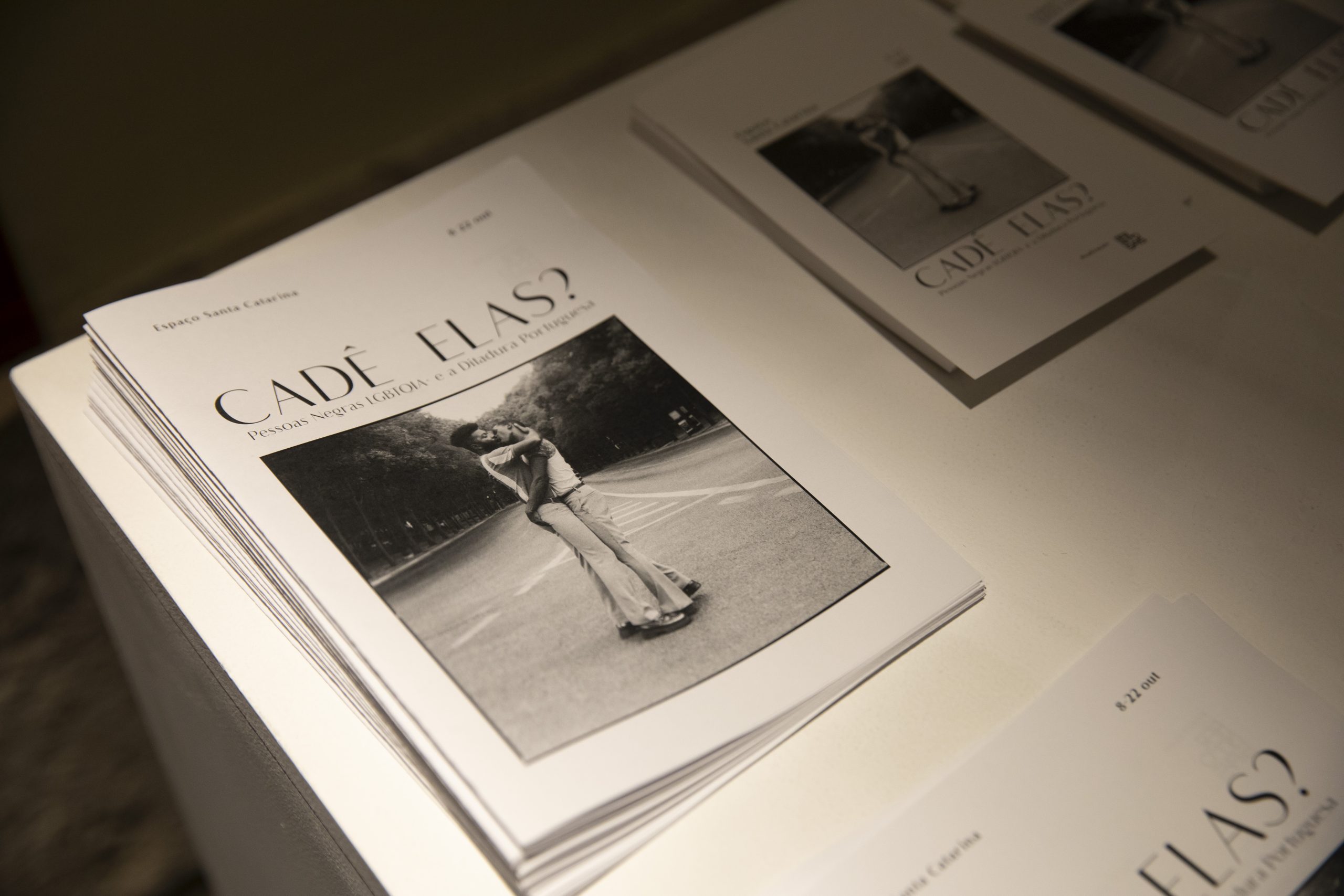
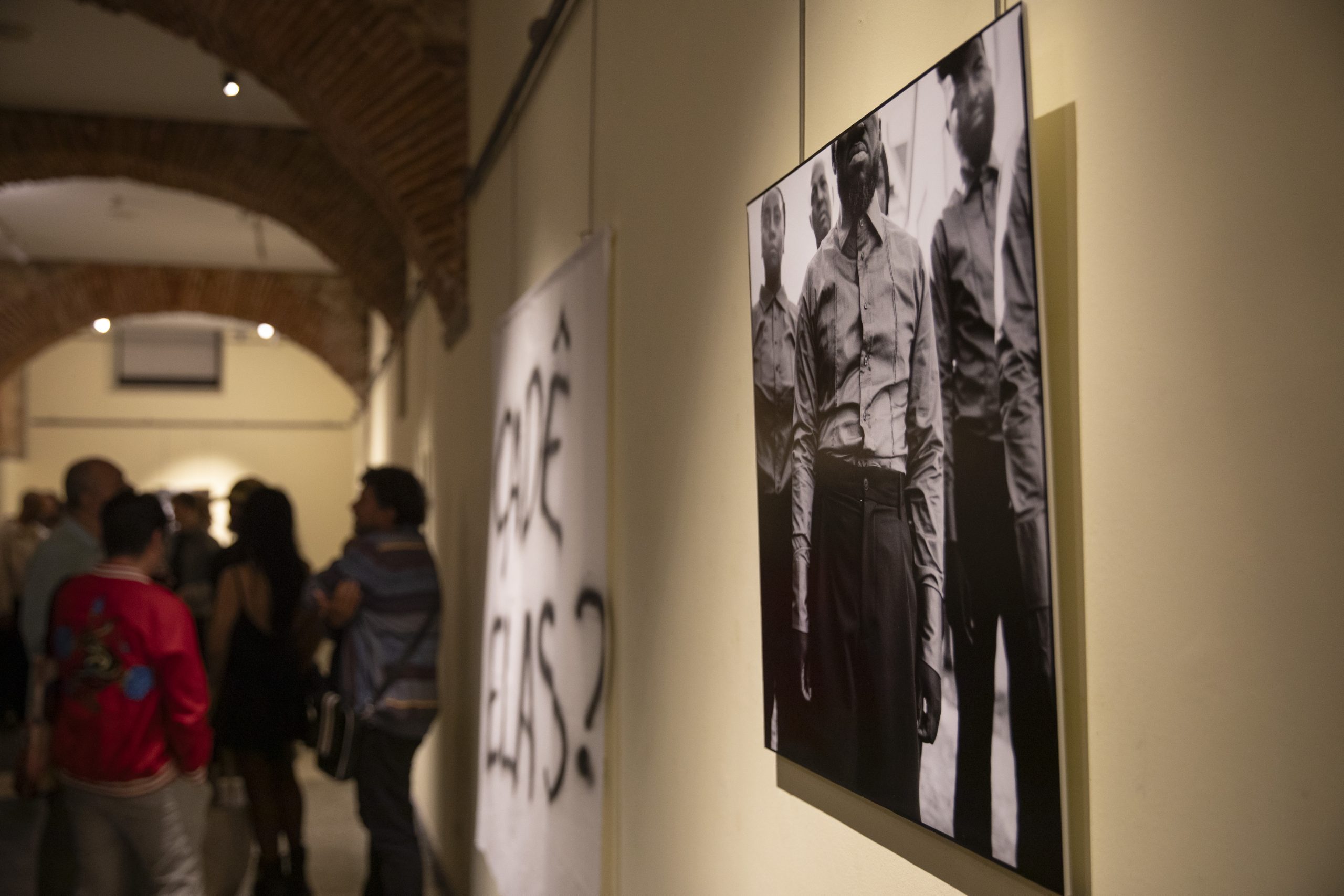
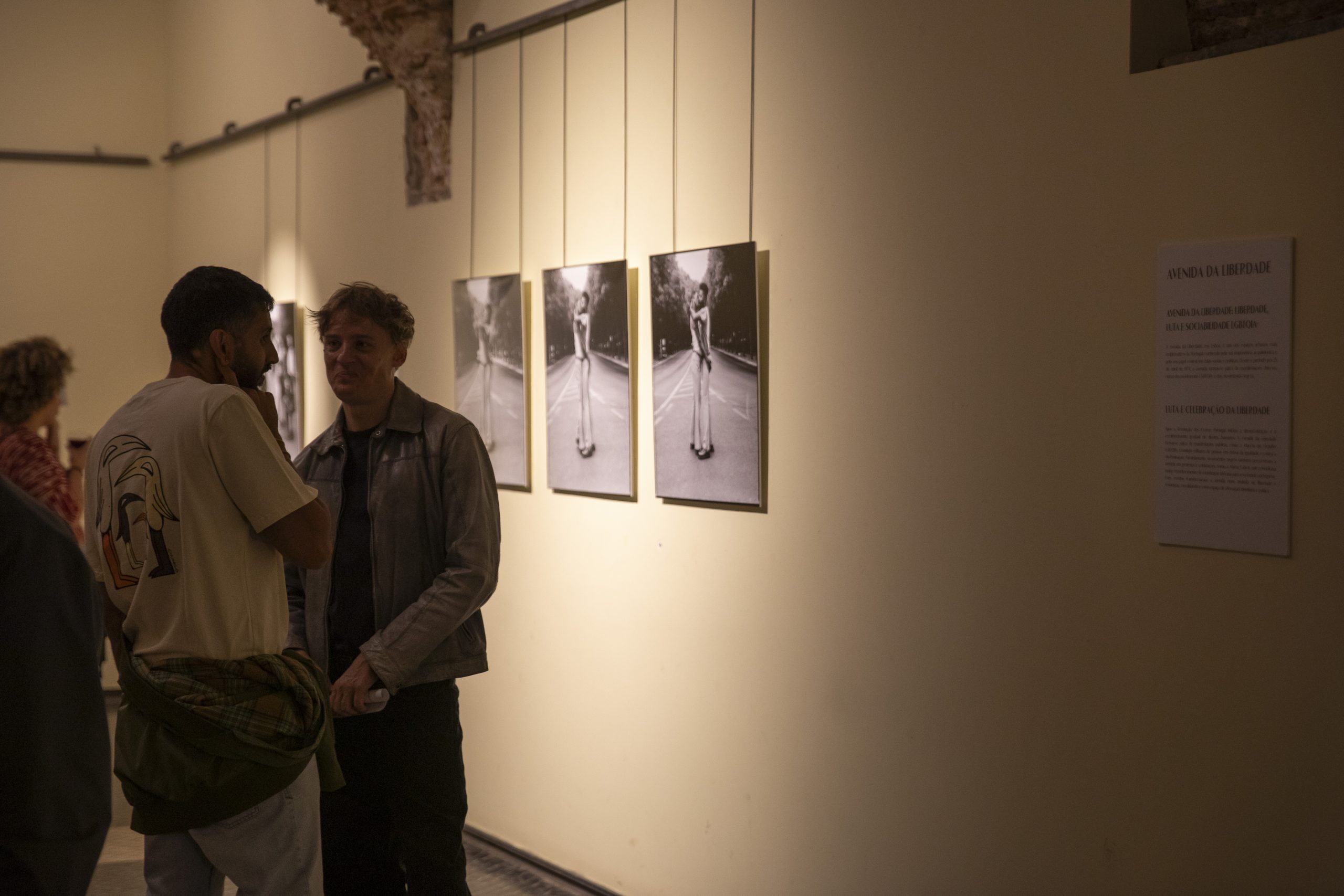
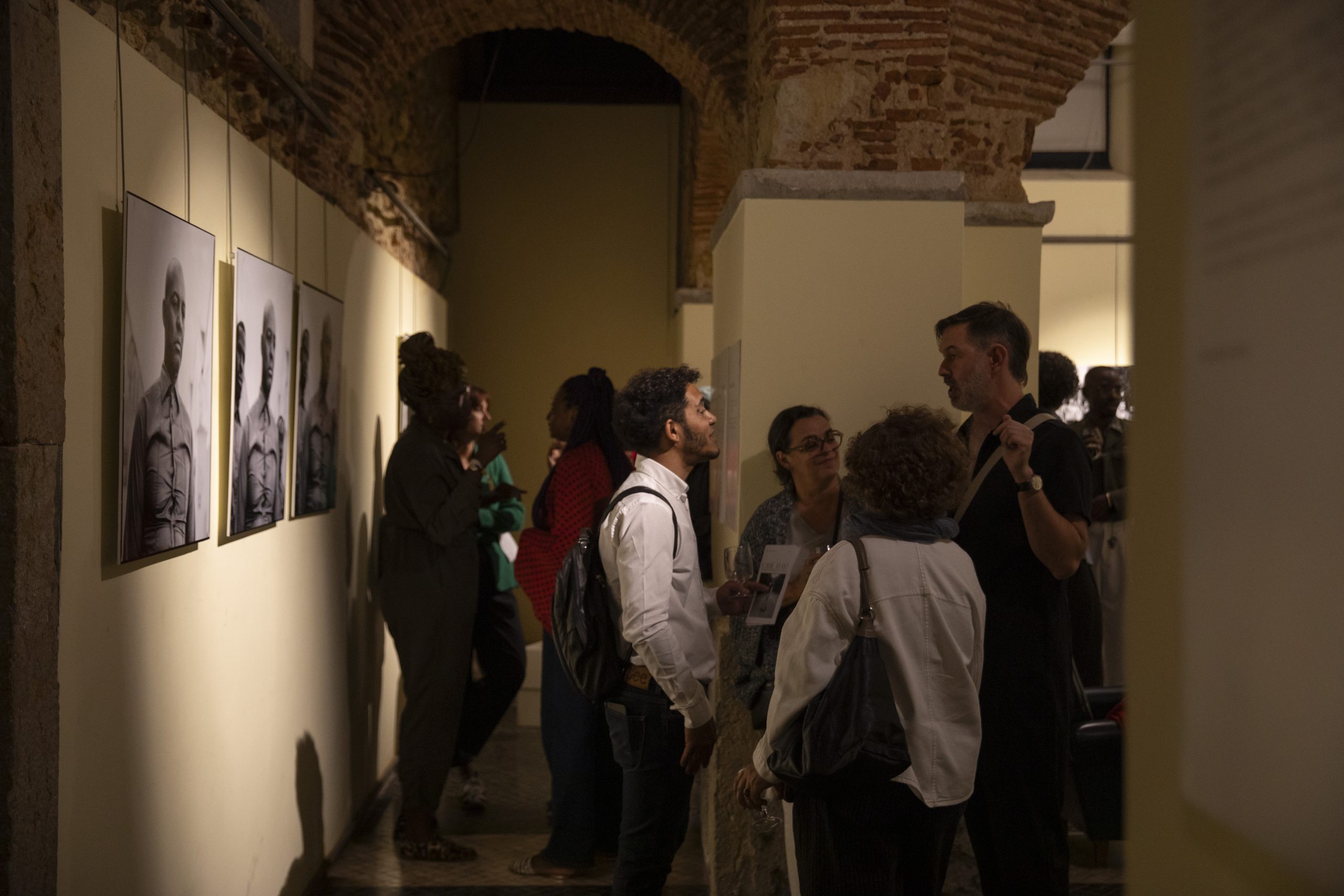
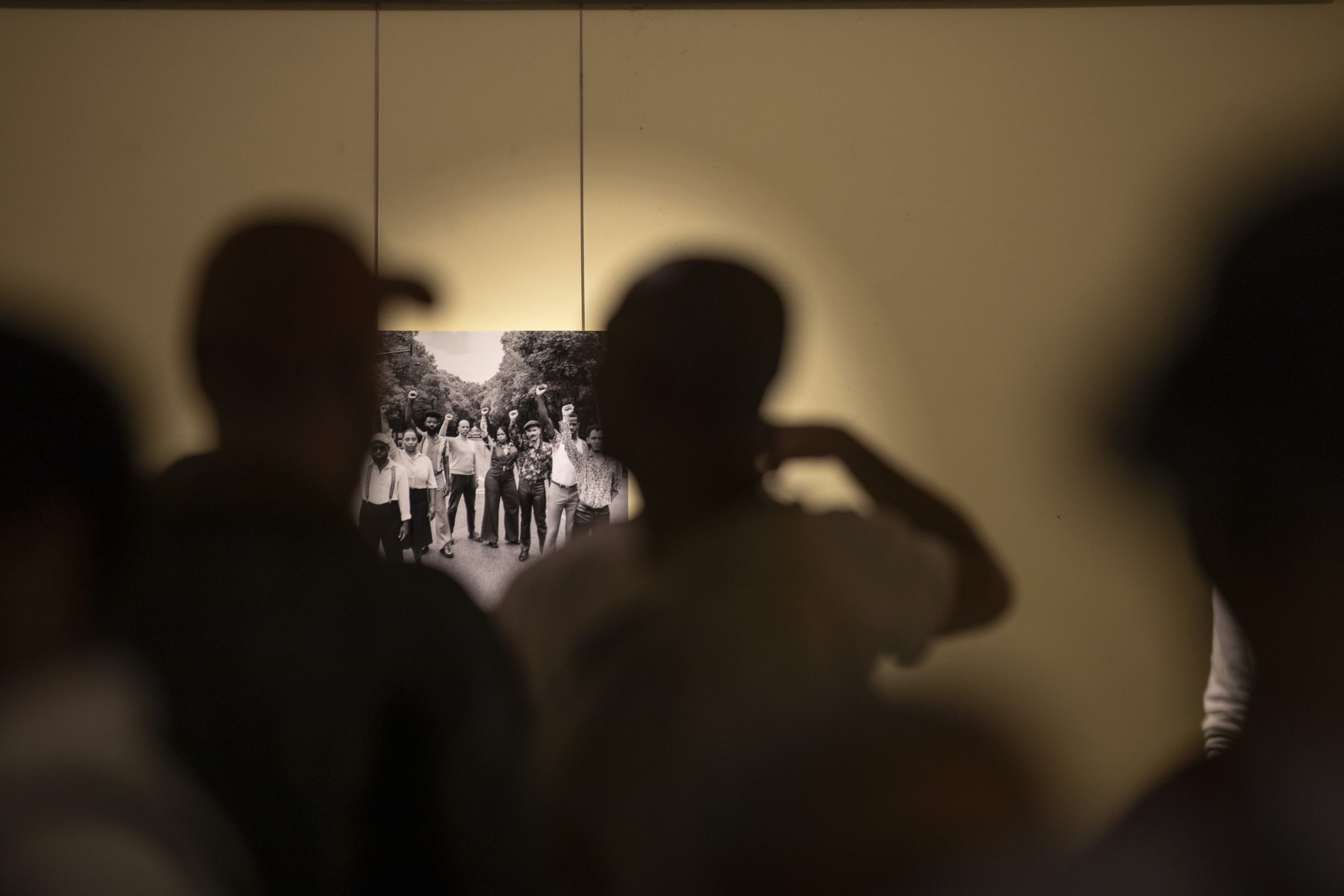
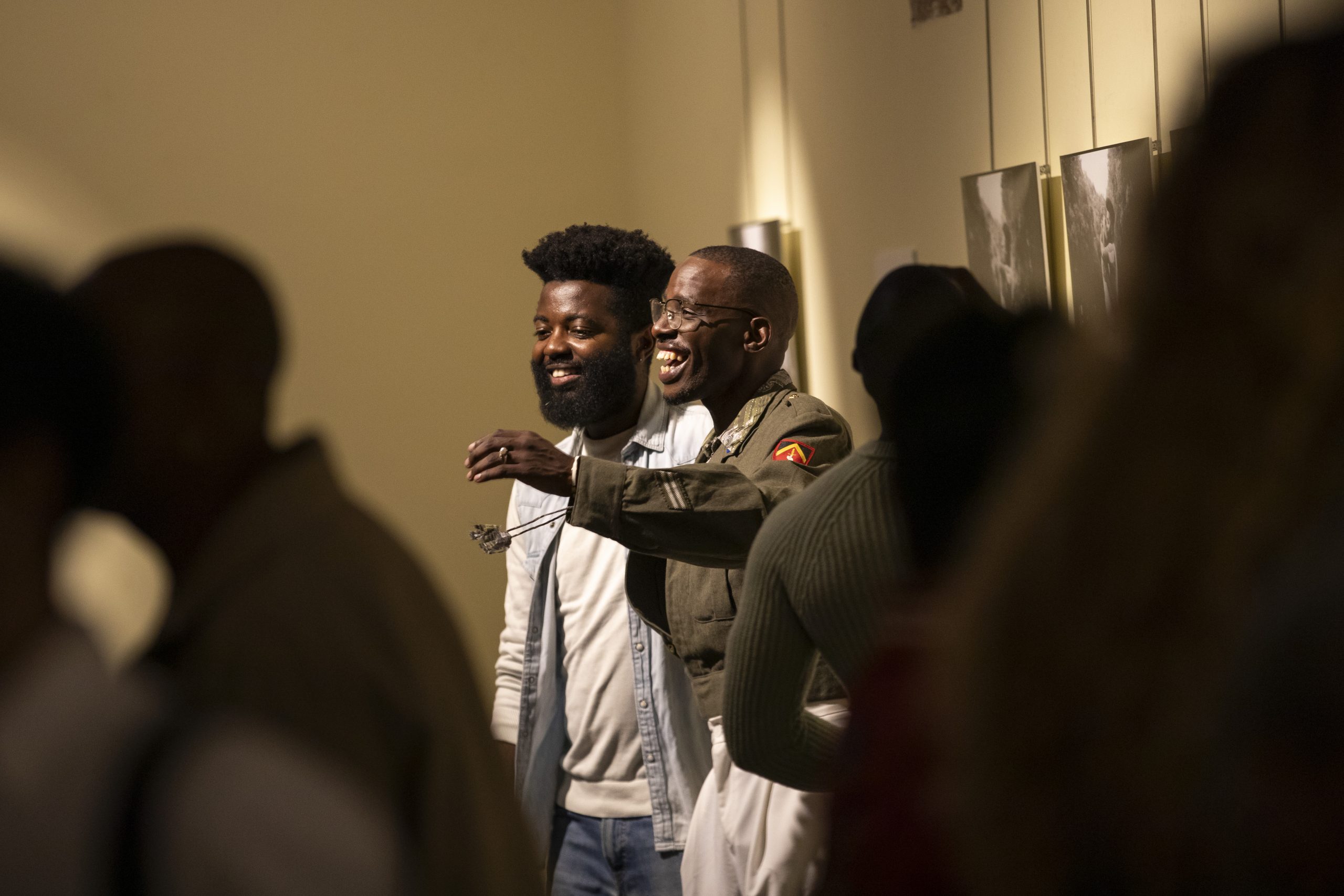
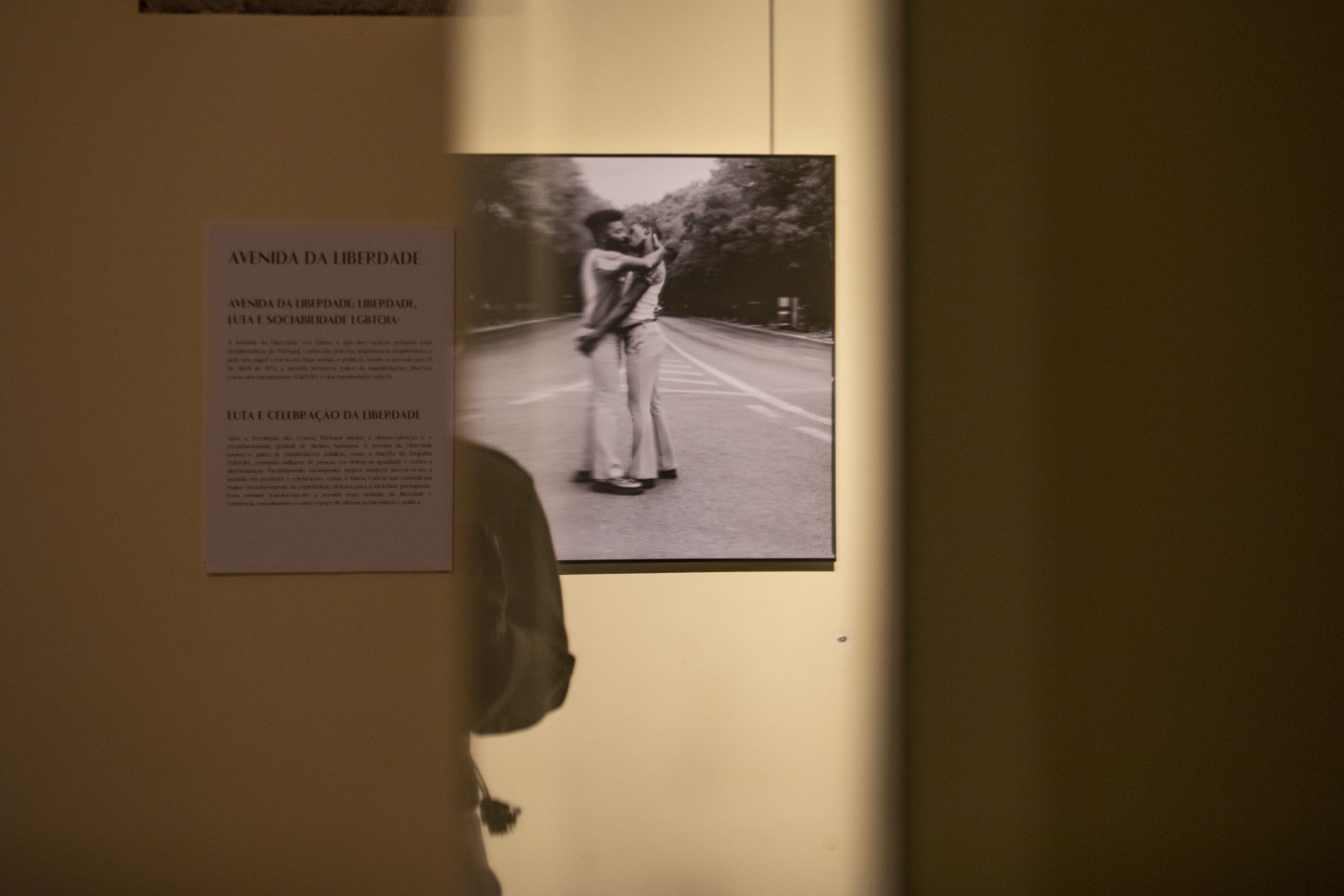
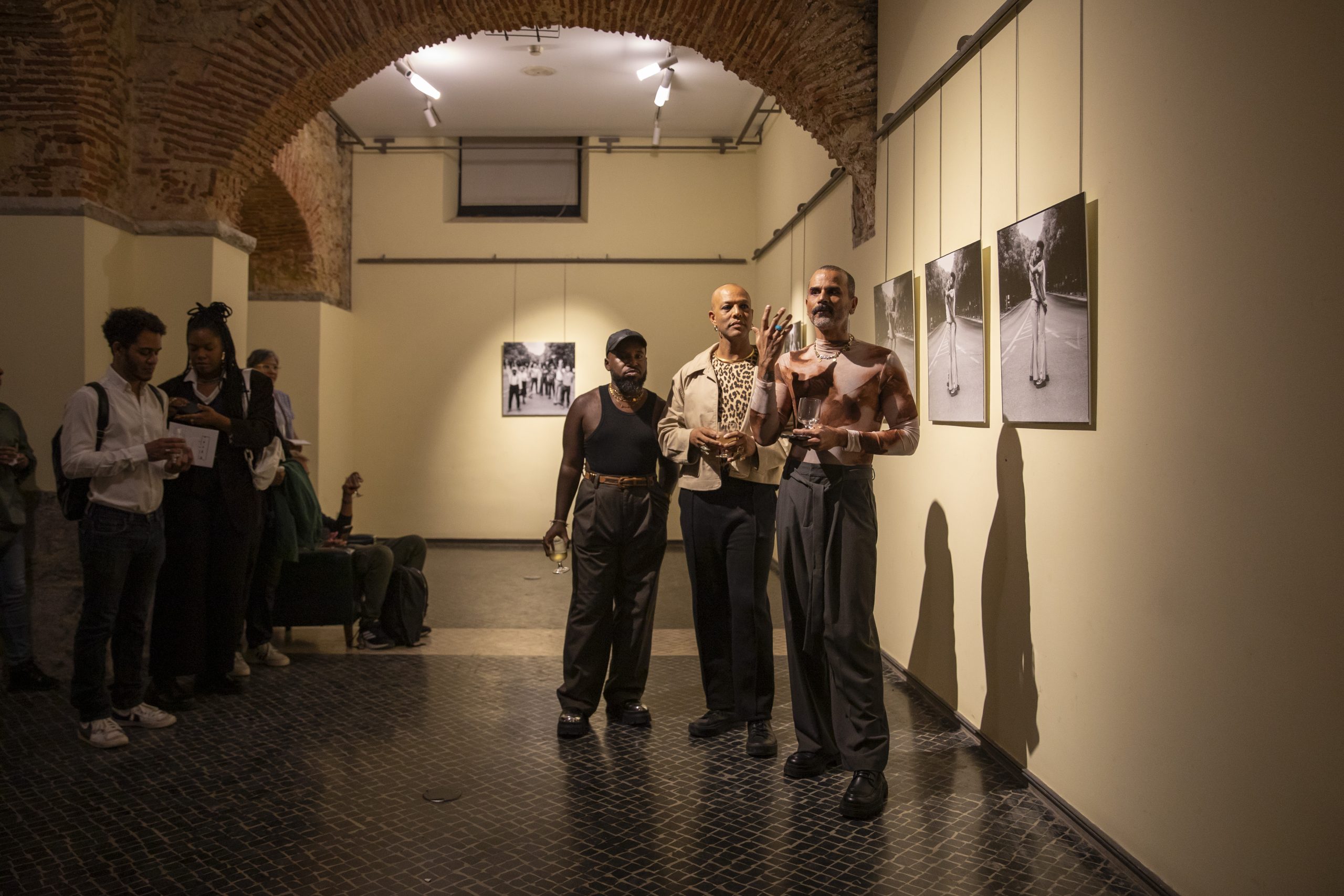
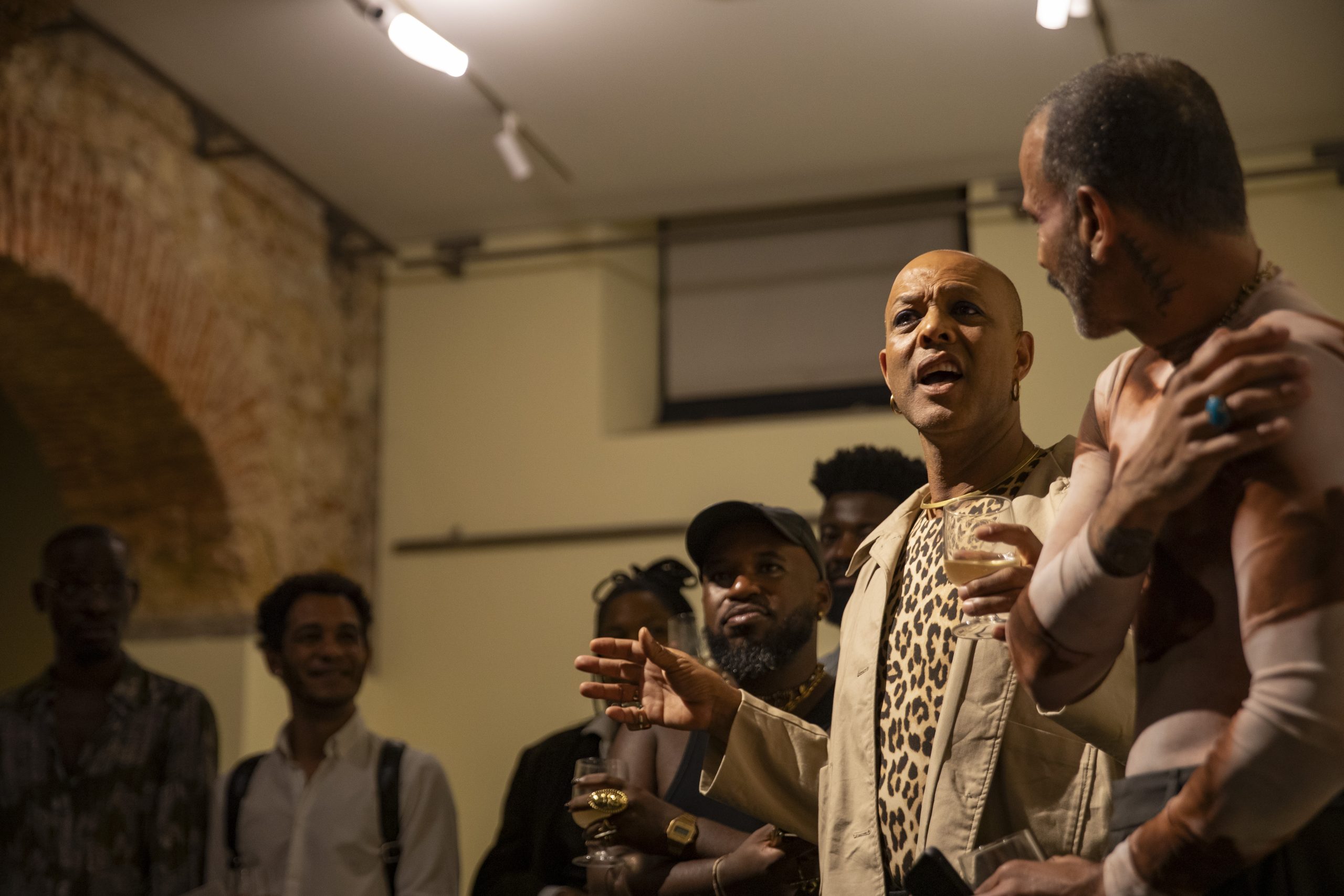
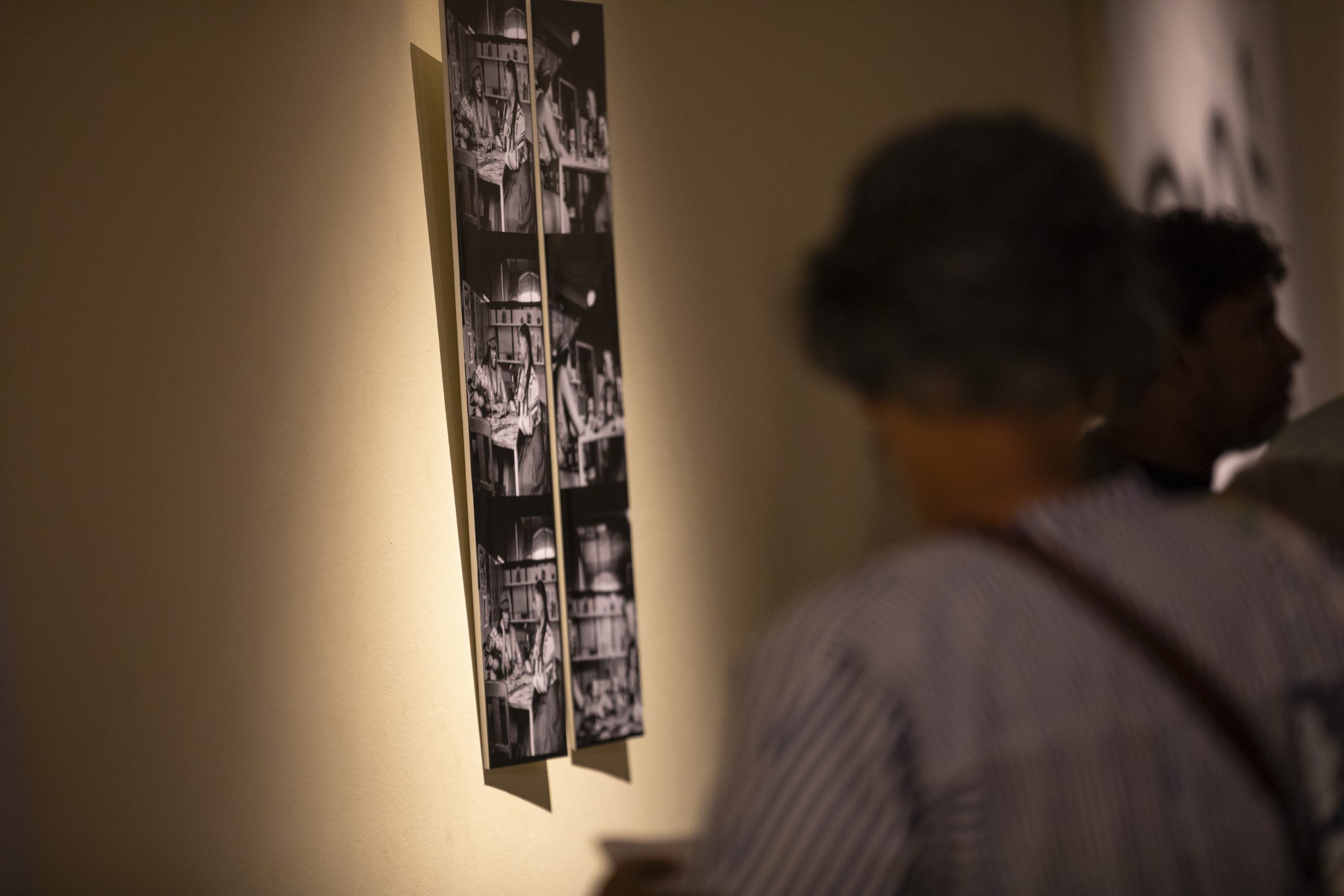
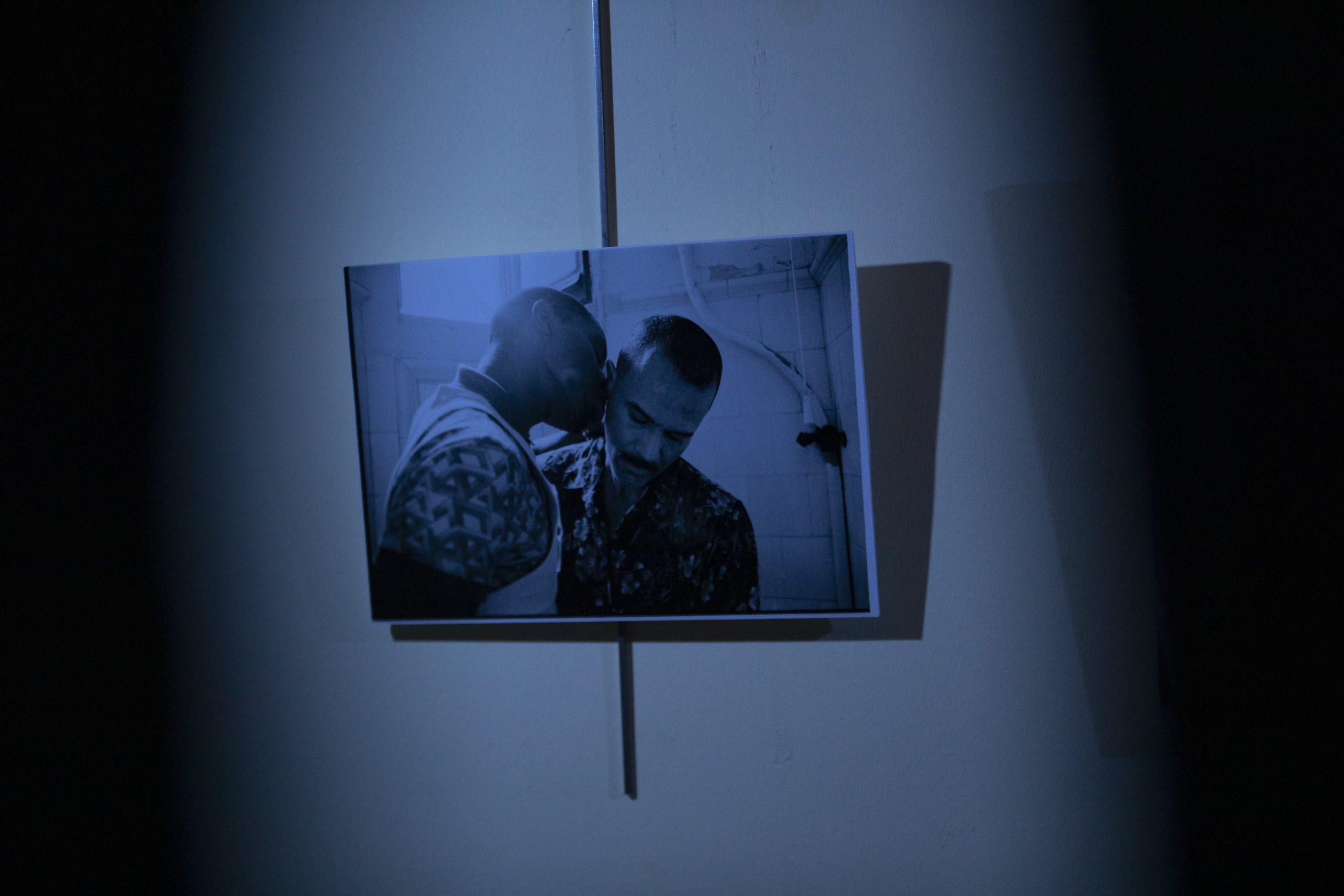
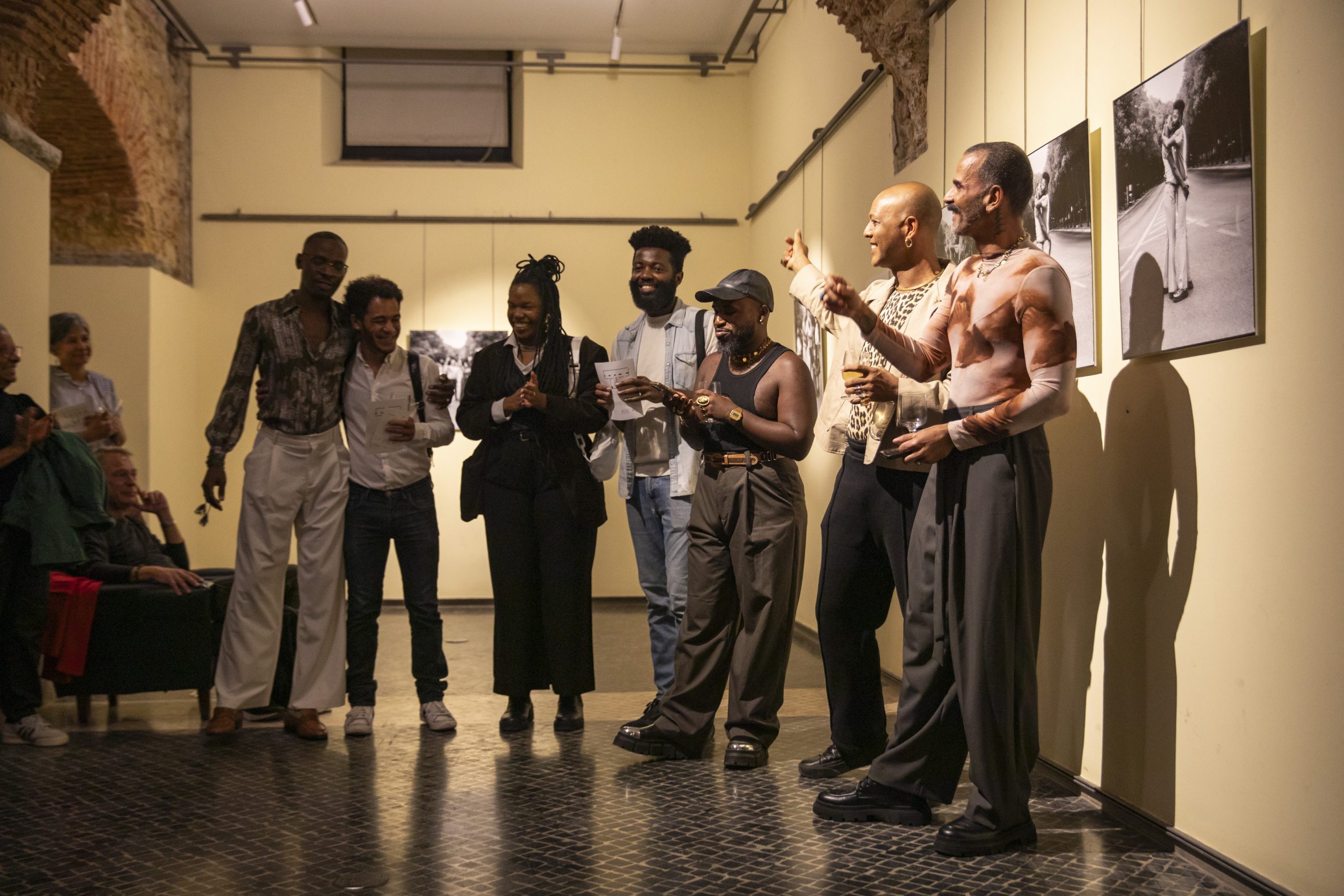
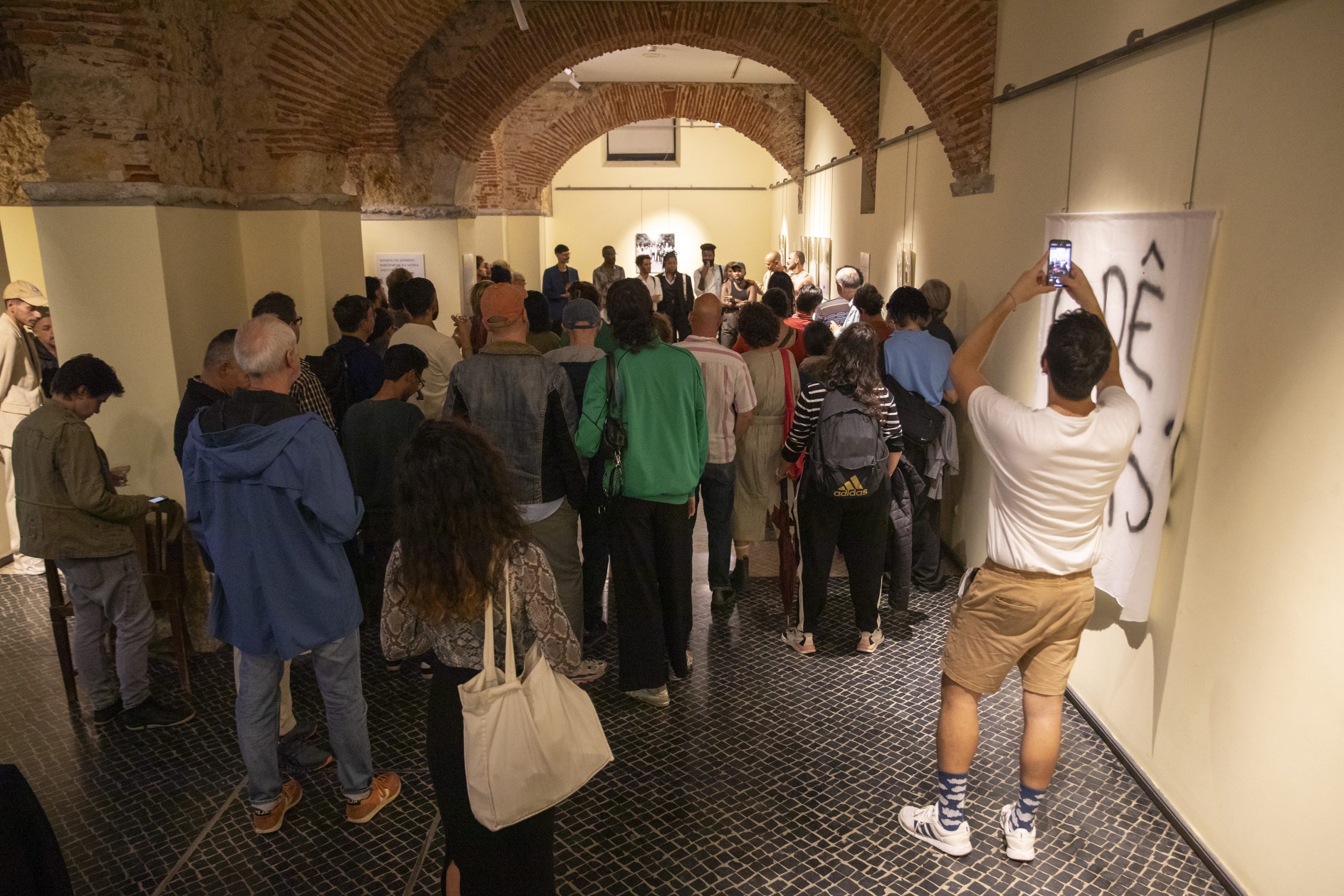
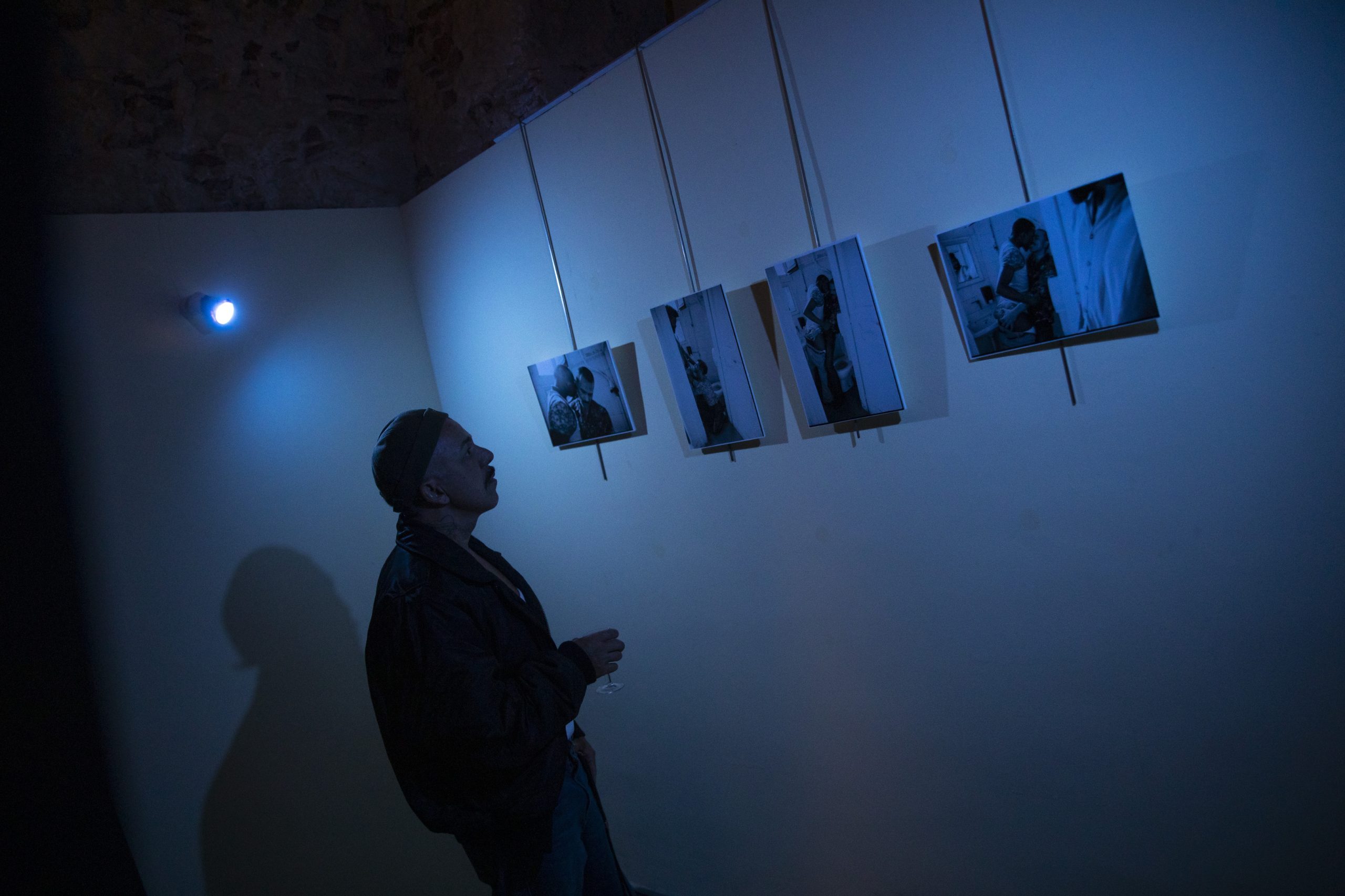
In official histories, there are silences that echo. Among them is the erasure of the memory of Black LGBTQIA+ people who, even under the weight of the Portuguese dictatorship, dared to exist, resist, and dream of freedom. Invisible in the historical records, these individuals were also a source of strength, courage, and a living contribution to the collective struggle that helped bring about the April 25 Revolution. It is from this gap that the Afrontosas Collective presents the exhibition “WHERE ARE THEY? Black LGBTQIA+ People and the Portuguese Dictatorship,” on view from October 8 to 22, 2025, at Espaço Santa Catarina (Lisbon). The exhibition takes shape as a research and artistic creation project that seeks to shed light on silenced historical trajectories, proposing a rewriting of collective memory through marginalized voices.
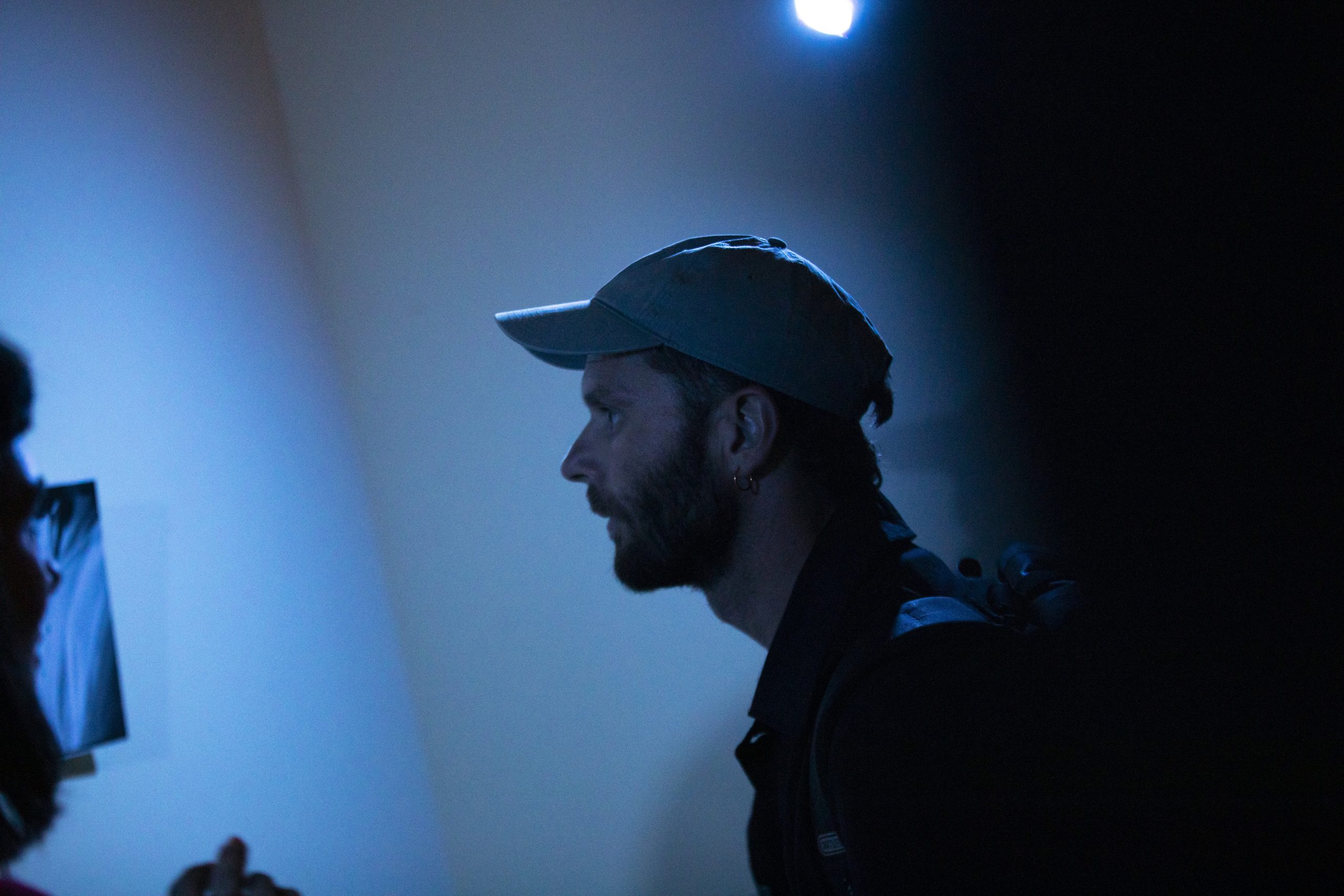
Pics: João Azevedo


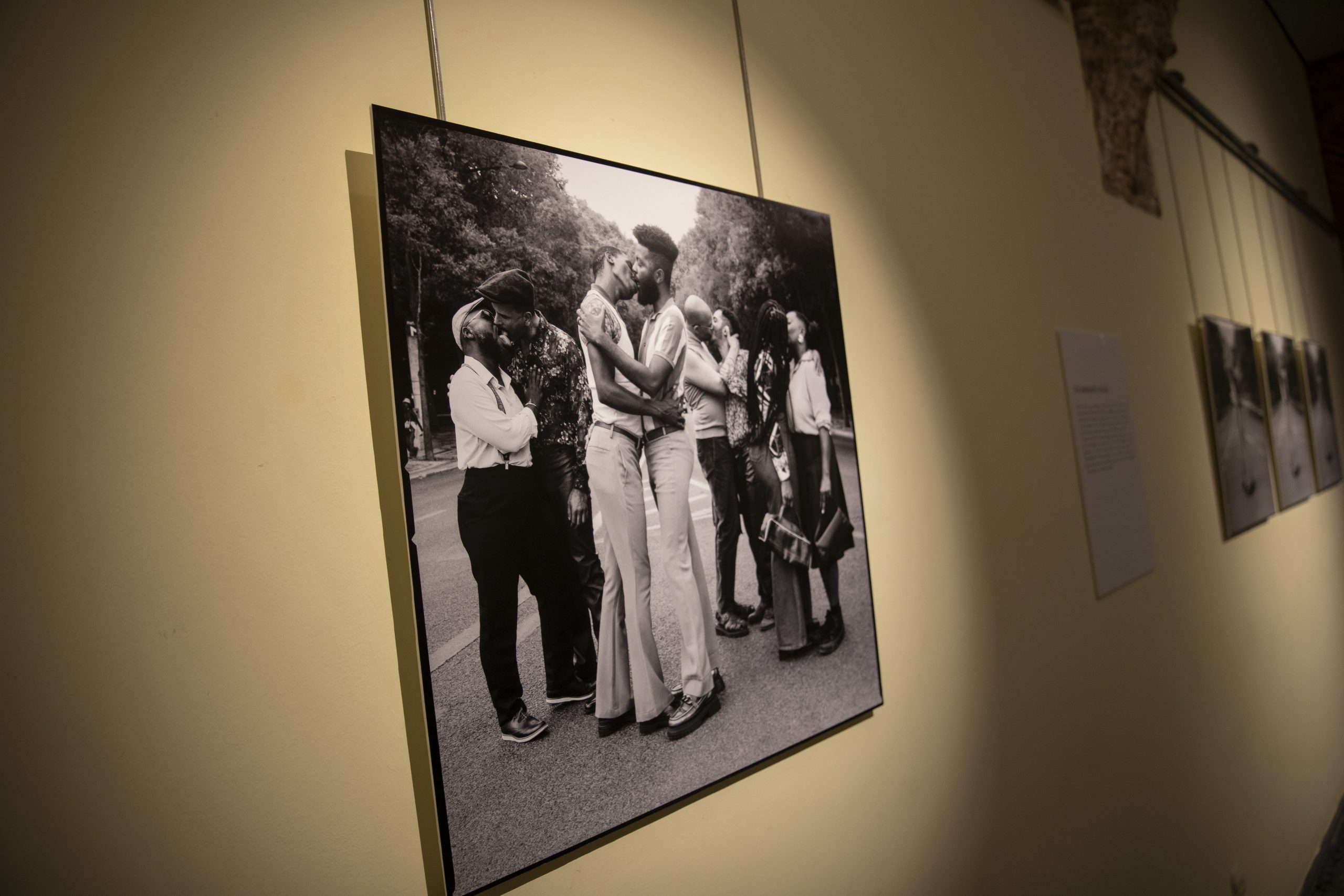
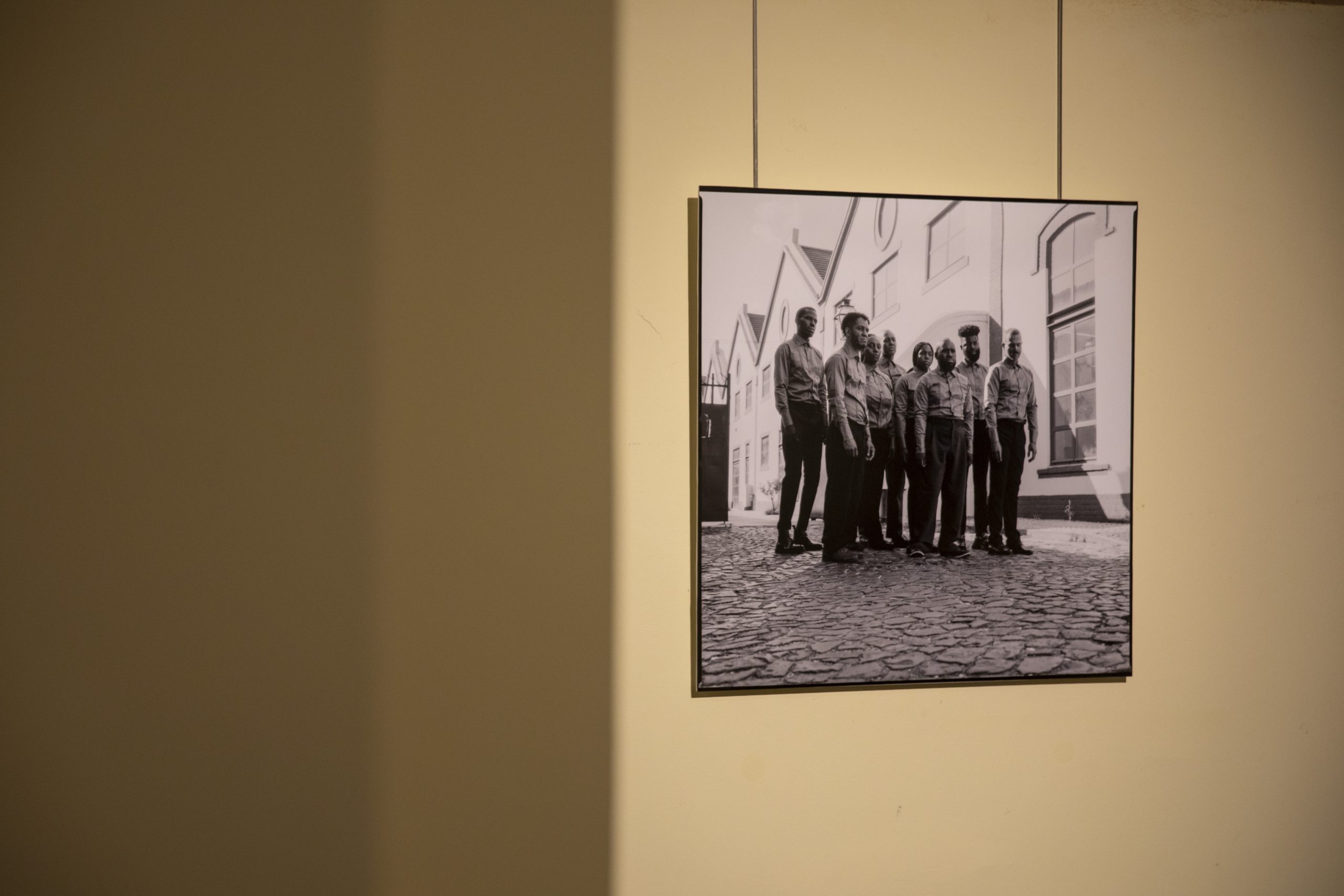
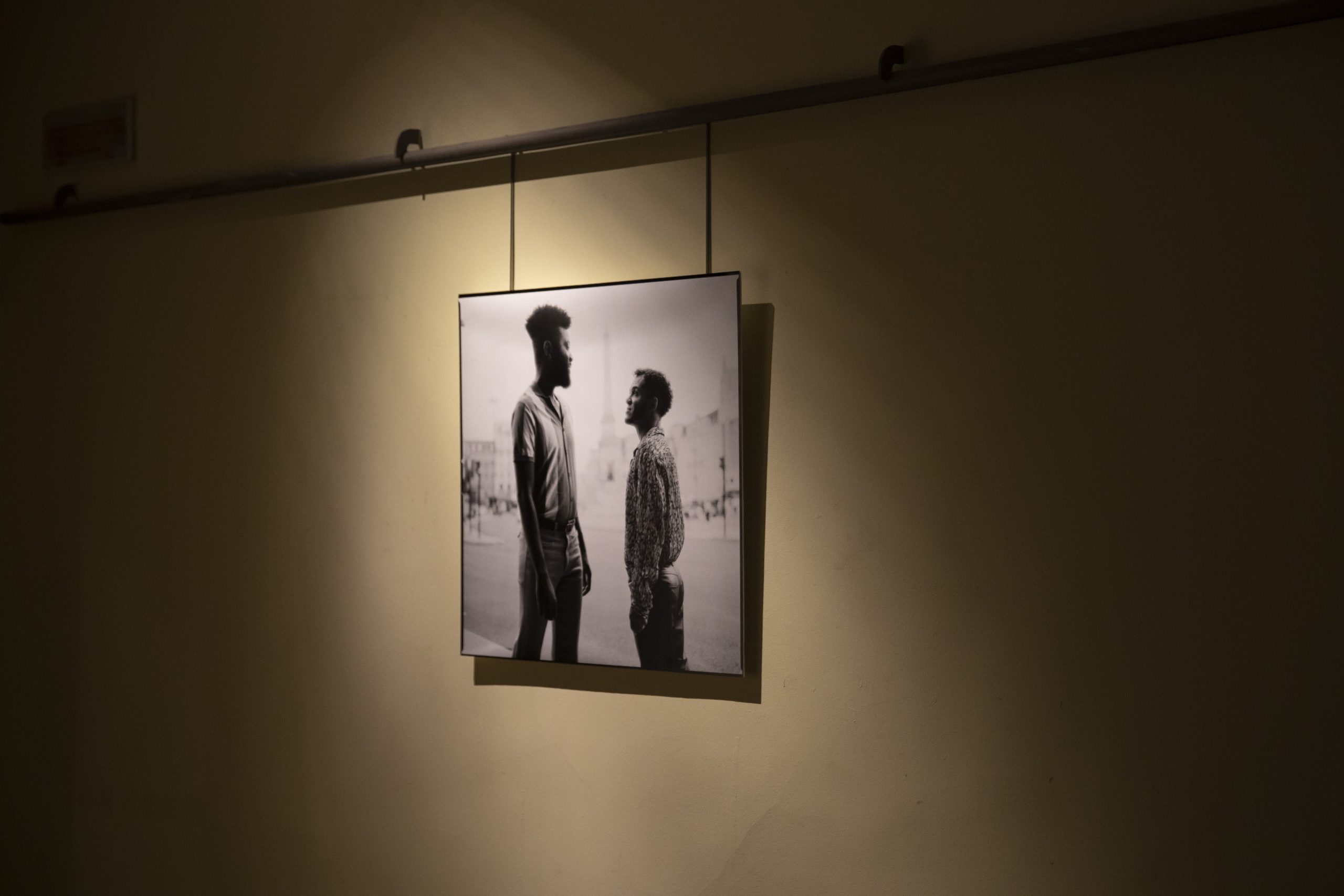
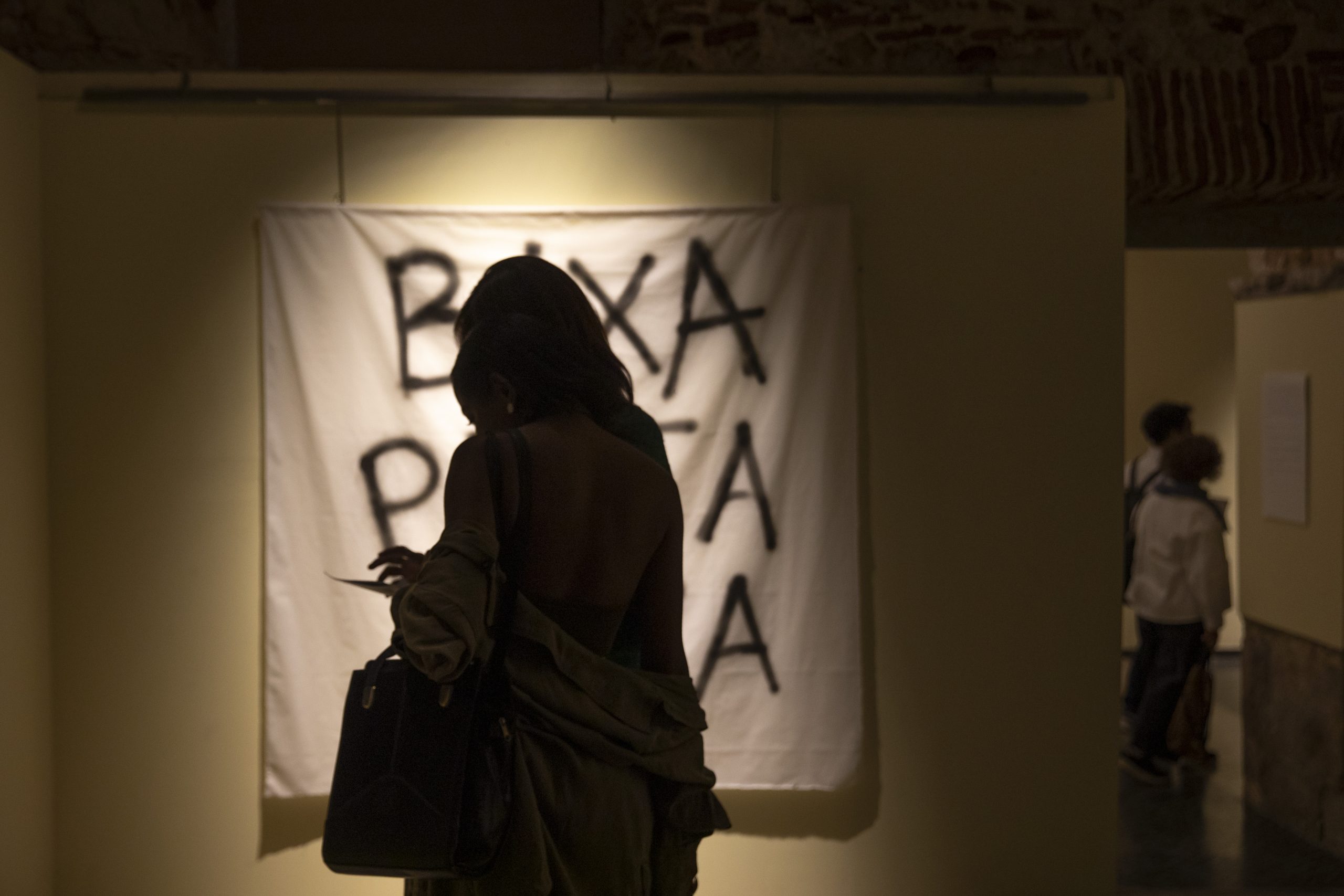

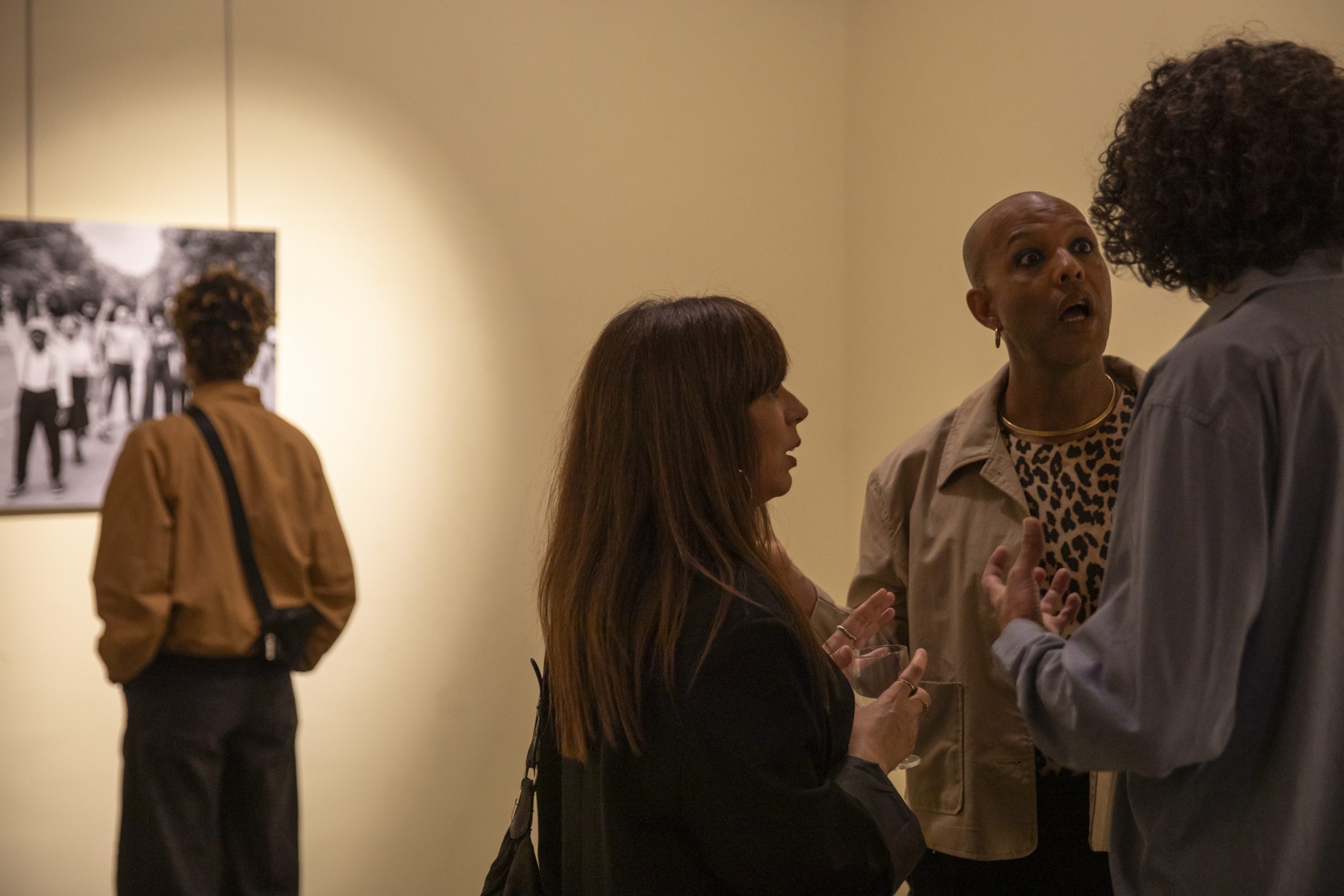
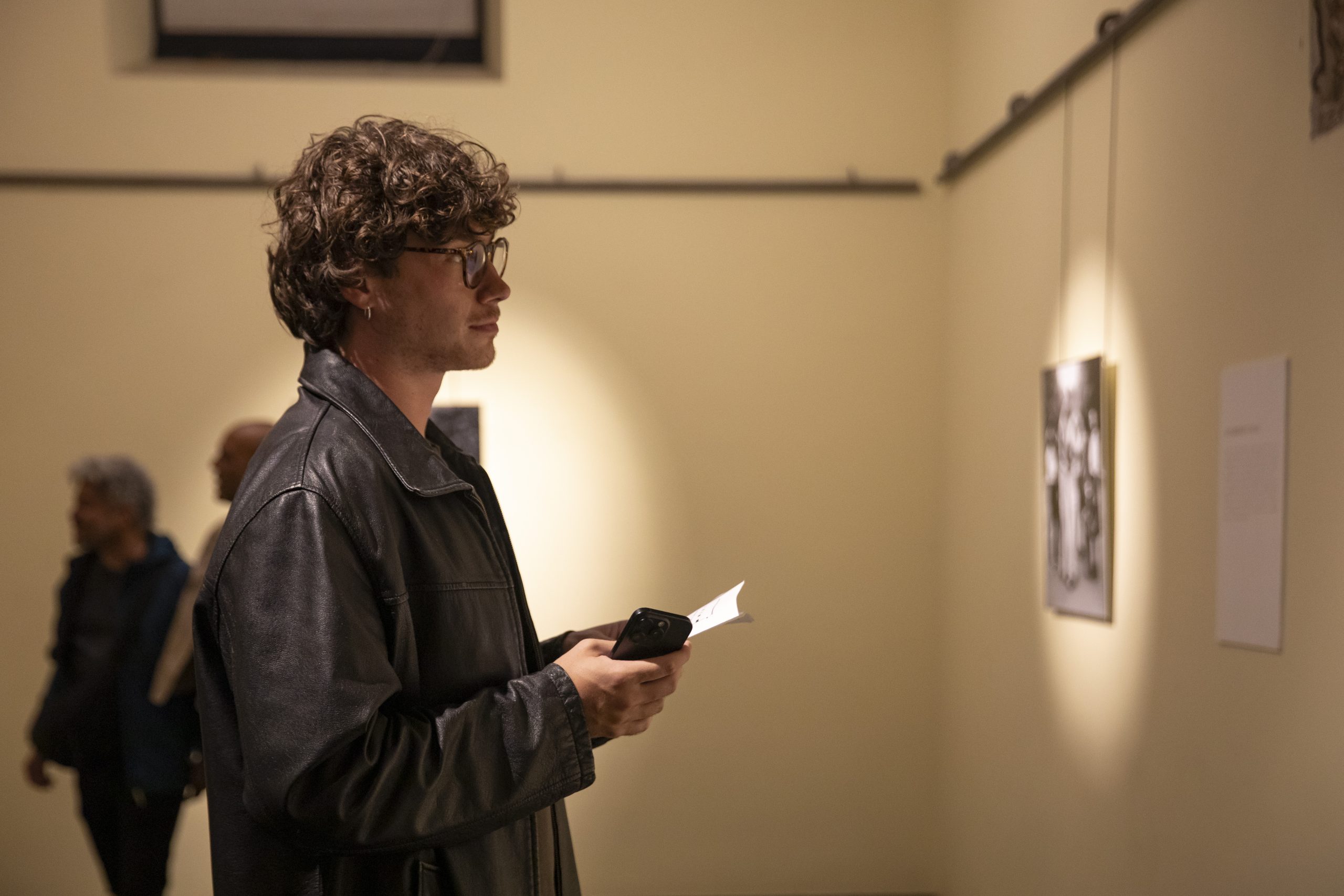
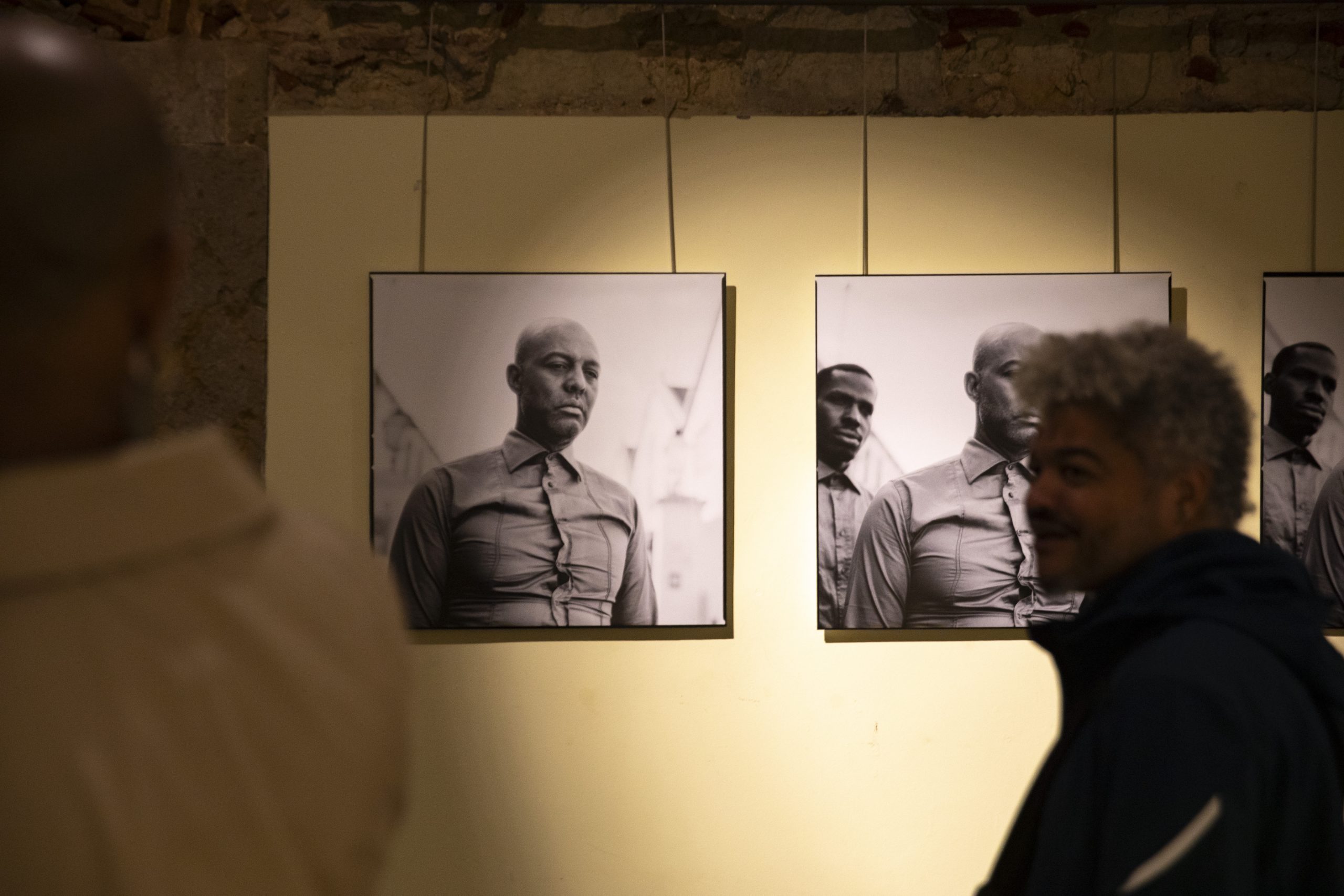
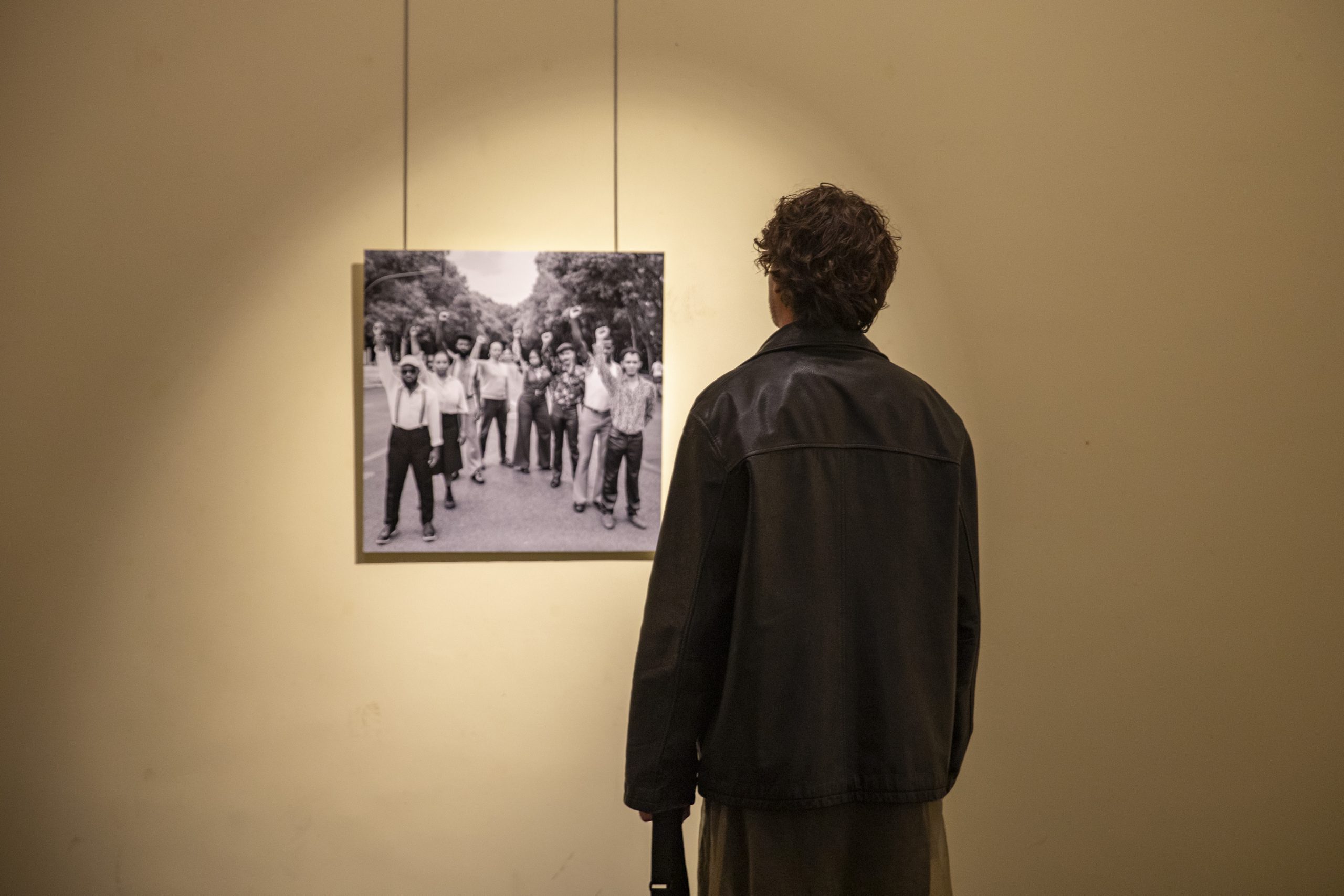

English
https://afrontosas.pt/en/cade-elas/
RELATÓRIO
Relatório de Pesquisa – Report – Made by Leornado Vieira
Folha de Sala
Media
https://www.agendalx.pt/events/event/coletivo-afrontosas-2/
https://50anos25abril.pt/agenda/cade-elas-pessoas-negras-lgbtqia-e-a-ditadura-portuguesa/
https://www.timeout.pt/lisboa/pt/arte/cade-elas-pessoas-negras-lgbtqia-e-a-ditadura-portuguesa
https://www.bantumen.com/event/cade-elas/
Eventos sobre o projeto
Audio da Conversa no Museu do Aljube e Fotos
https://afrontosas.pt/2025/04/11/cade-elas-no-museu-do-aljube/
Ficha Técnica
Direção Artística: DIDI, ROD e tony omolu
Investigação: DIDI, ROD, tony omolu e Leonardo Vieira
Curadoria: DIDI, ROD e tony omolu
Apoio à curadoria: Joana Alves e Marina Ginde
Fotografia: Daryan Dornelles
Maquiagem shooting: Ariana Almeida
Styling shooting: Yasmin Falcão
Modelos/Elas: Camis, DIDI, Gê Escobar, Nyrhio Ribestião, Noé João, ROD, tony omolu, Xu Lopes
Produção: Joana Alves e Marina Ginde
“Cadê Elas? Pessoas Negras LGBTQIA+ e Ditadura Portuguesa” é um dos projetos apoiados pela edição de 2024-25 do programa «Arte pela Democracia», uma iniciativa da Comissão Comemorativa 50 anos 25 de Abril em parceria com a Direção-Geral das Artes. Realização: Coletivo Afrontosas. Financiamento: ENAR, DgArtes – República Portuguesa / Cultura. Parceiros de Comunicação: Buala, Bantumen, Afrolink. Apoio: Museu do Aljube, Goethe-Institut Lisboa, Biblioteca de Belém, Junta de Freguesia da Misericórdia, Associação Zeca Afonso, Buala, Bantumen, Gerador e Damas.
