
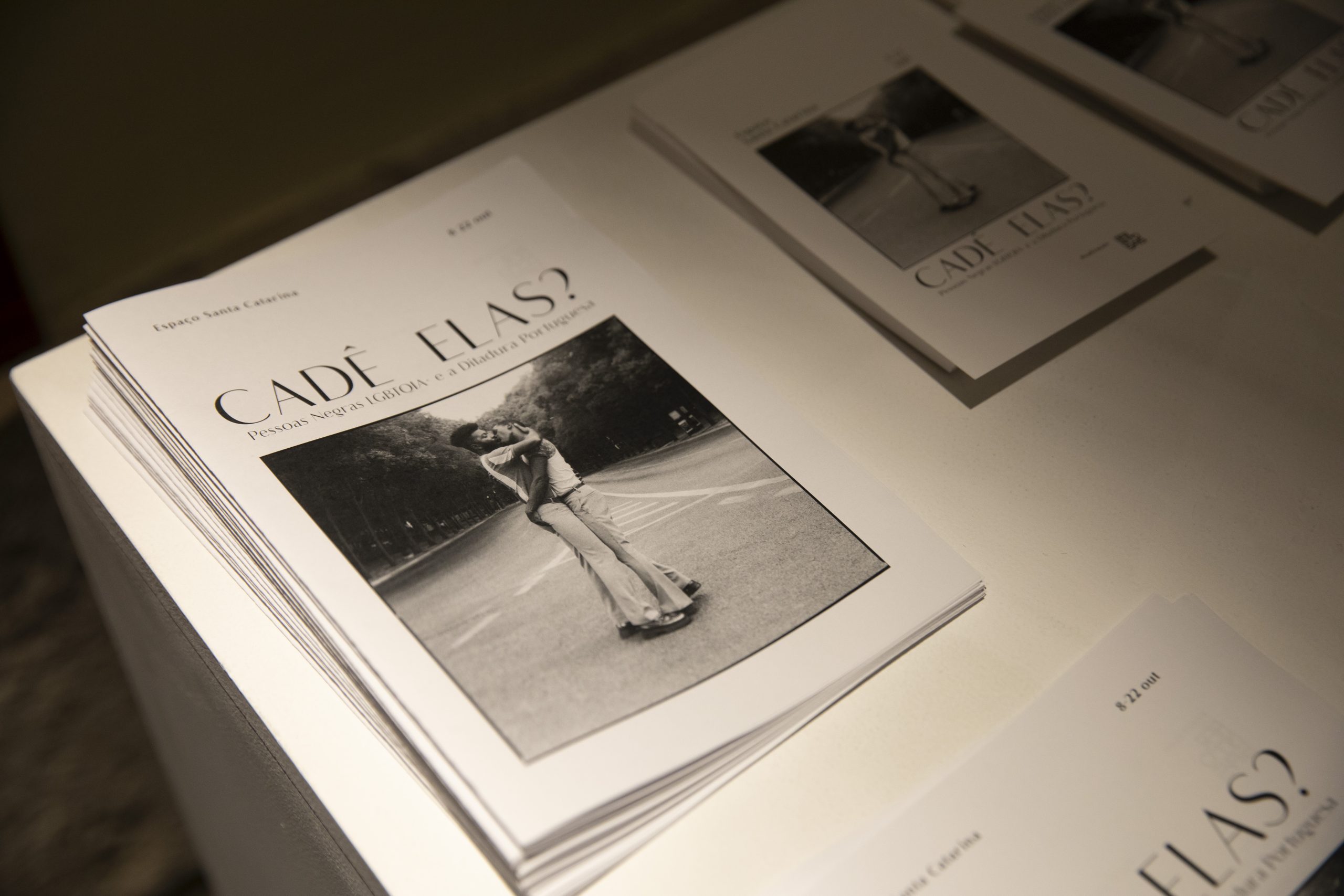
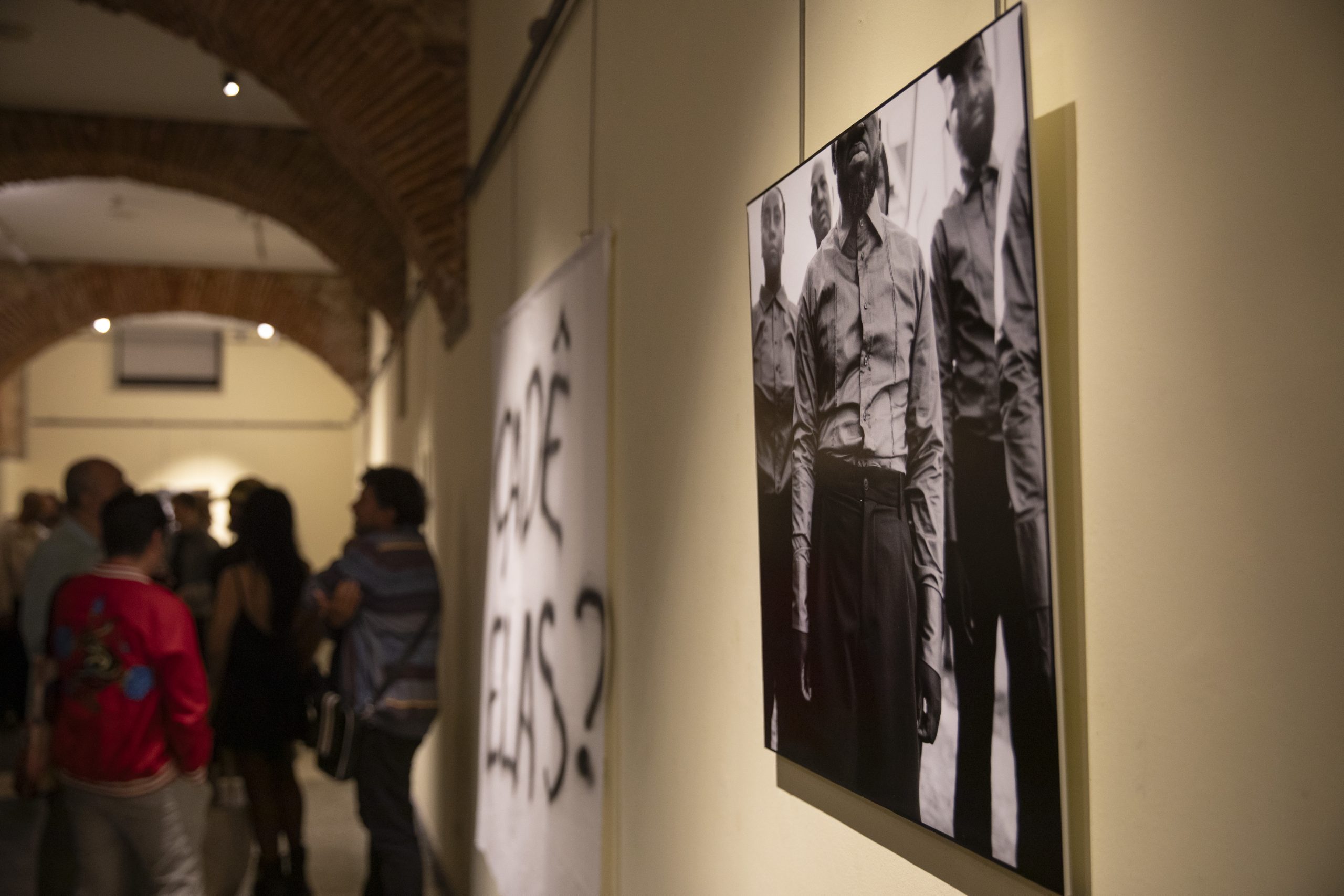
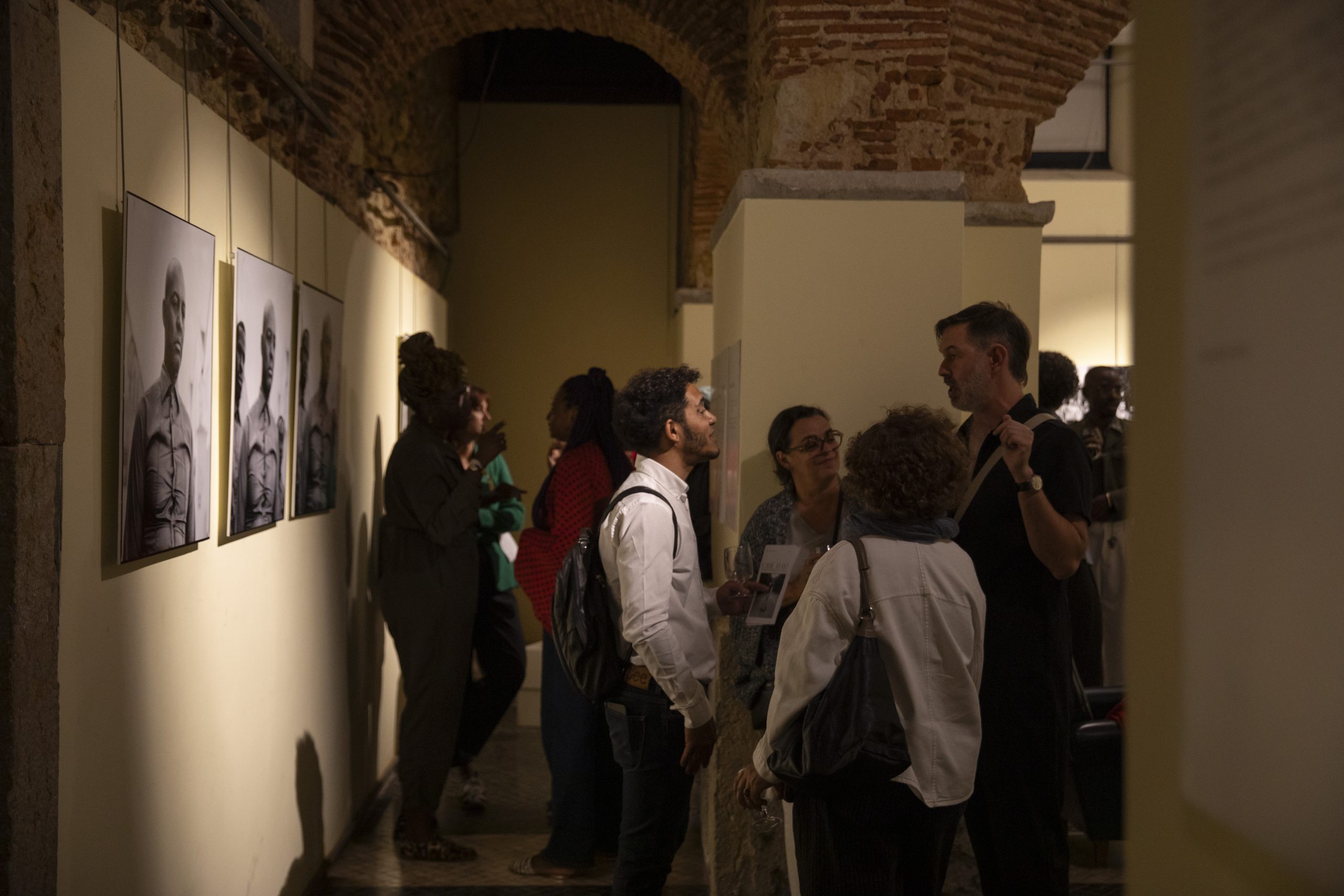
WHERE ARE THEY?
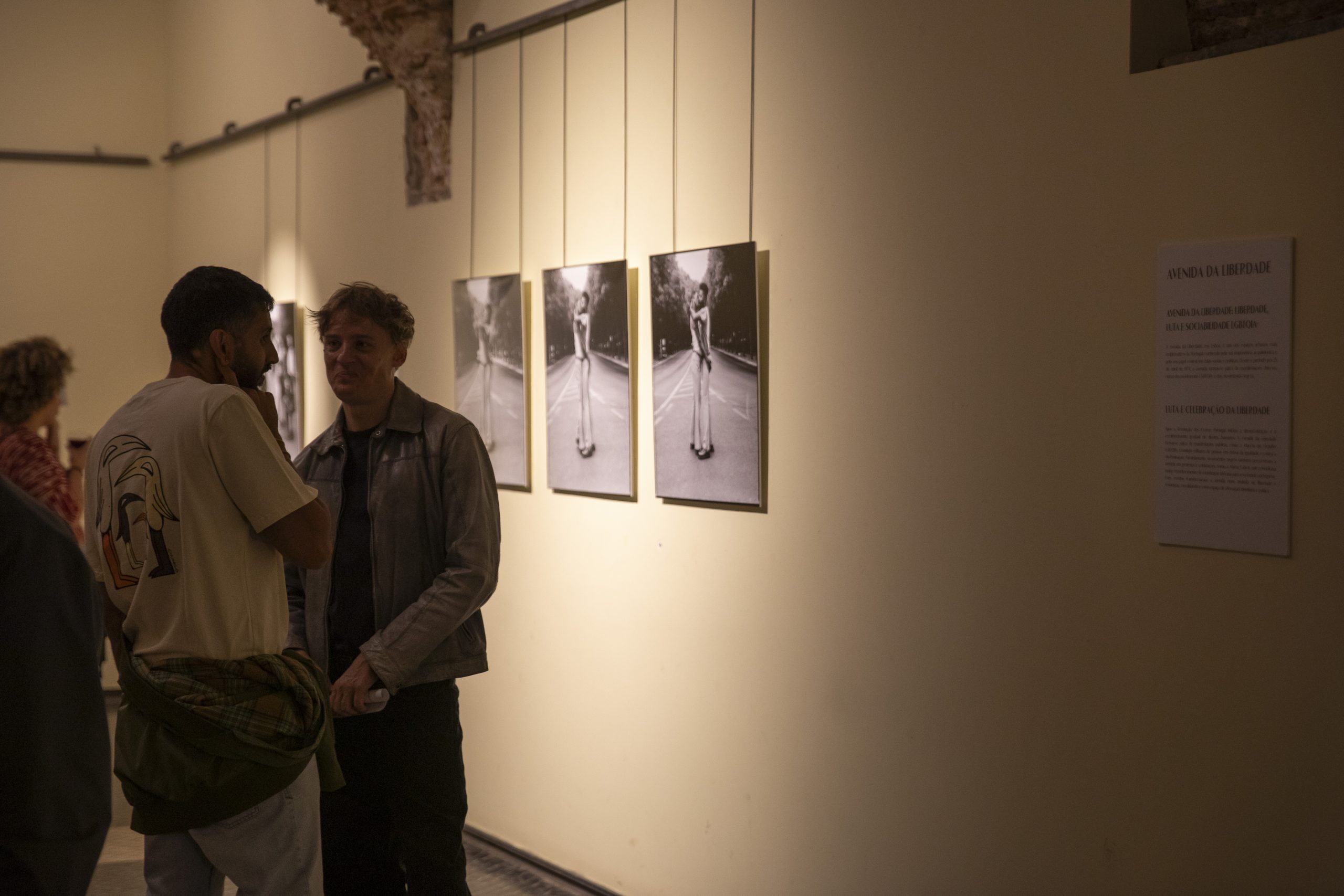
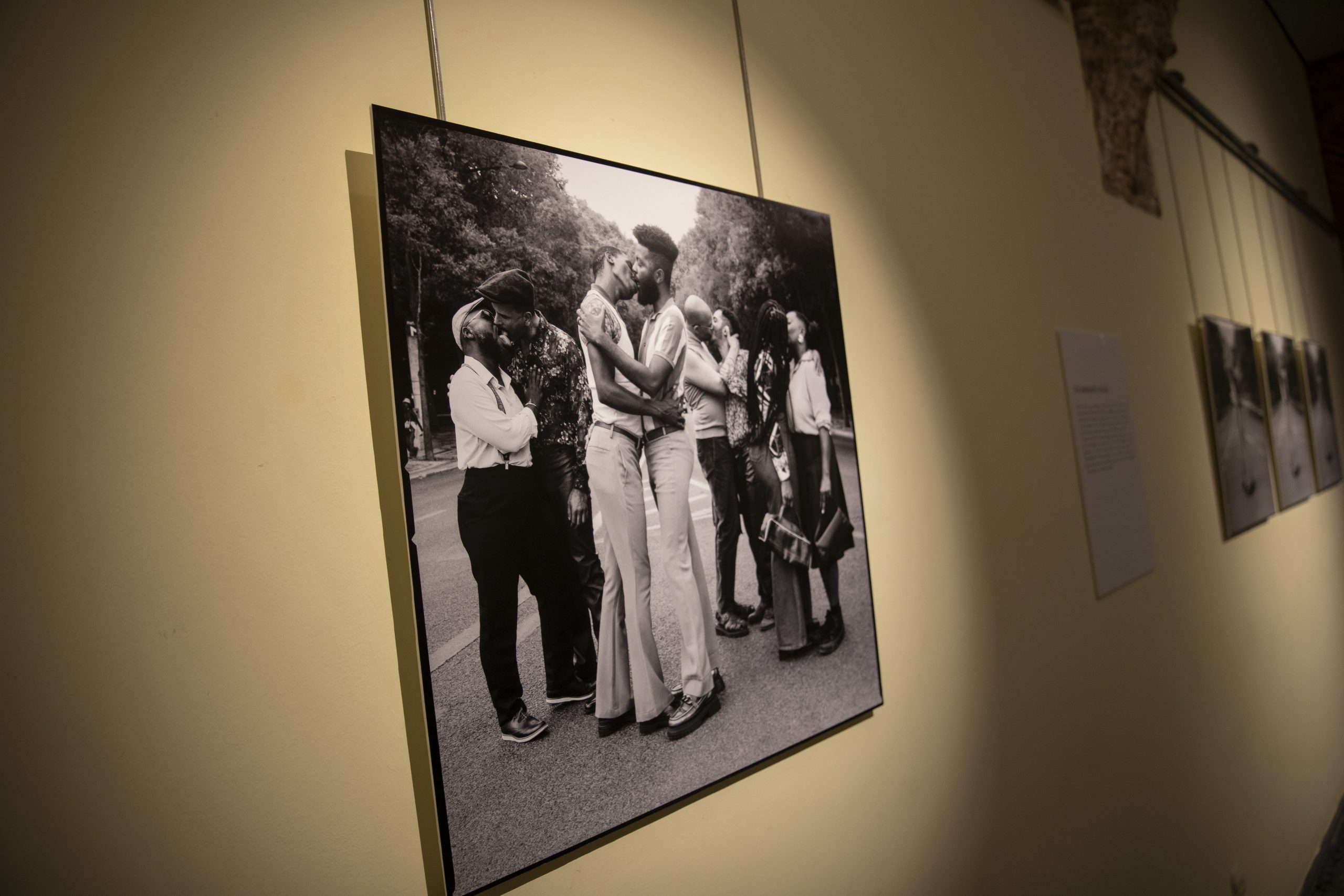
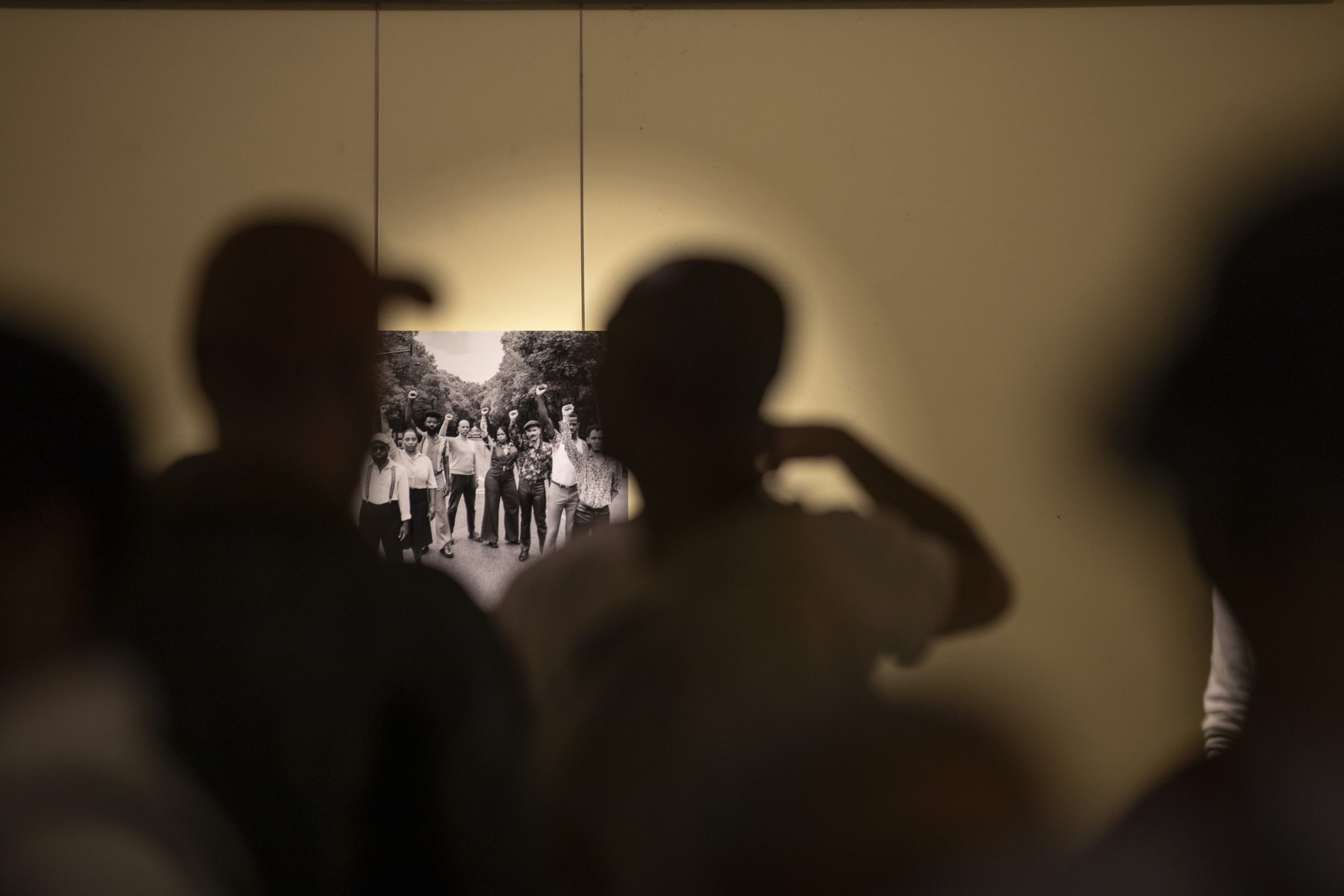
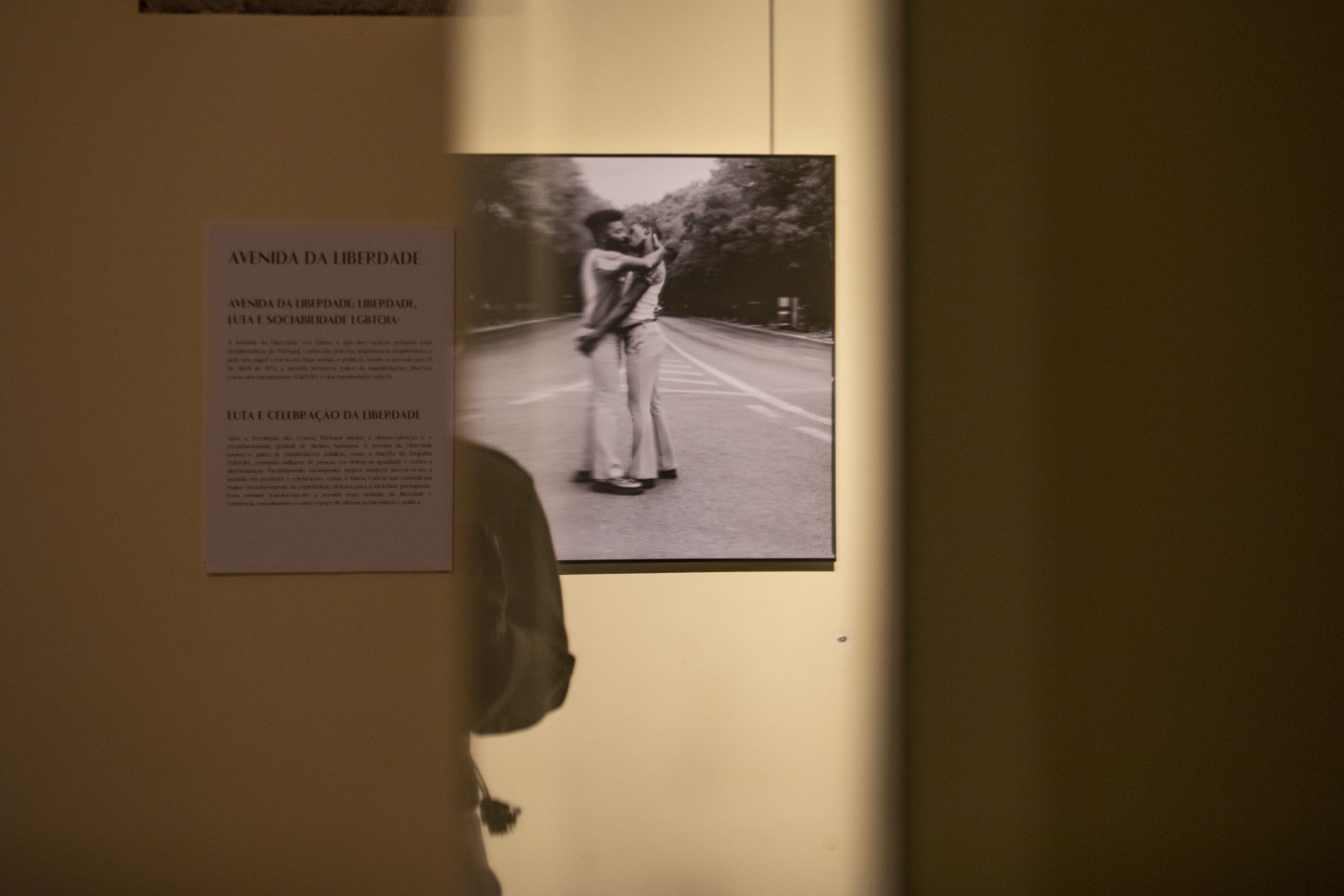
AVENIDA DA LIBERDADE
Freedom, Struggle, and LGBTQIA+ Sociability
The Avenida da Liberdade, one of Lisbon’s grandest boulevards, is both a symbol of urban modernity and social resistance.
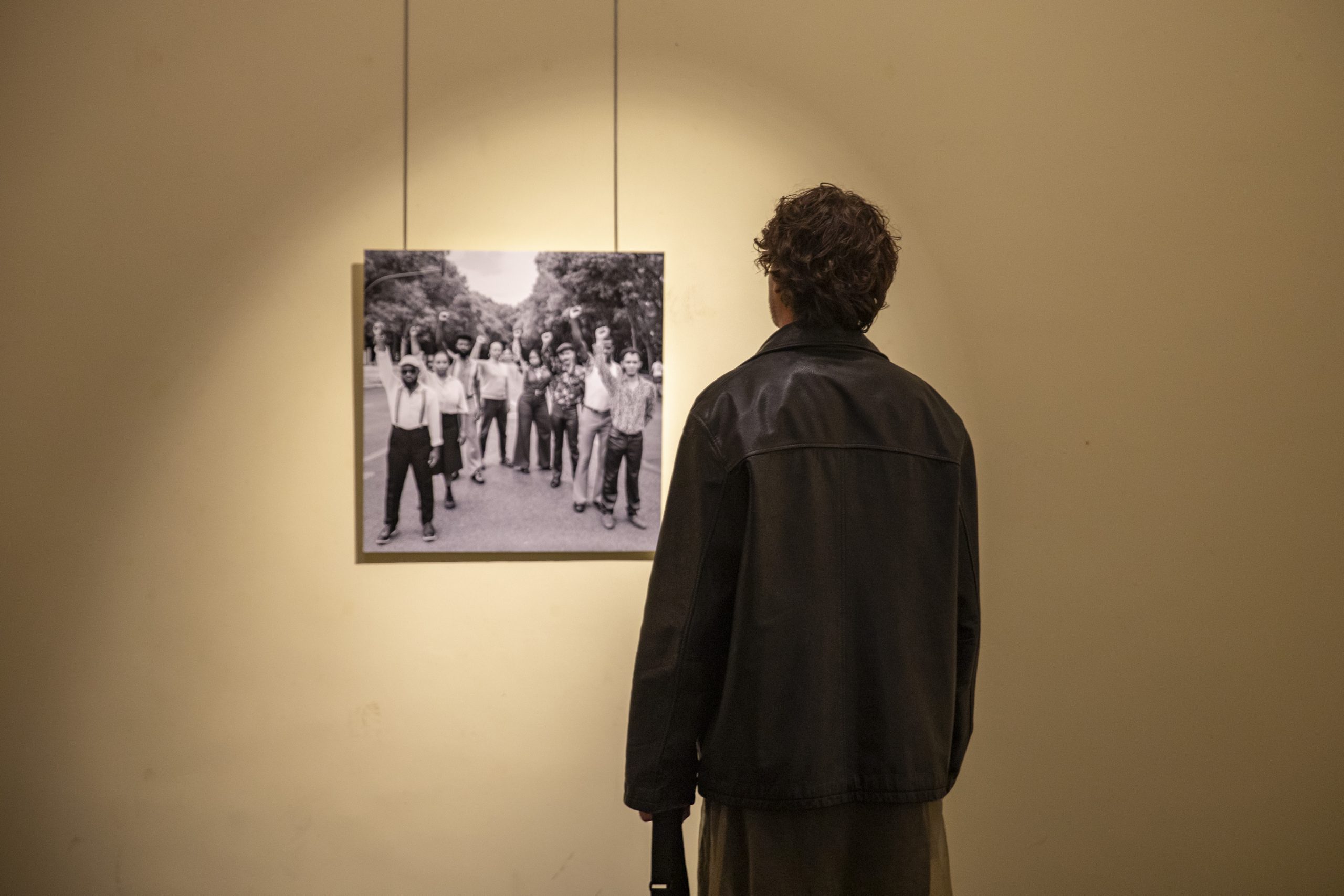
After the 1974 Carnation Revolution, it became a central stage for public demonstrations — from LGBTQIA+ Pride Marches to anti-racist mobilizations — embodying the fight for equality, democracy, and visibility.
The Avenue of Protest and Celebration
In the decades following democratization, Avenida da Liberdade hosted thousands who gathered to:
- Celebrate LGBTQIA+ Pride and visibility
- Protest racism, colonial legacy, and inequality
- Demand recognition of African and Afro-descendant contributions to Portuguese society
Events such as the Marxa Cabral and Lisbon Pride transformed the avenue into a living symbol of freedom, plurality, and collective memory.
Sociability and the Art of the Encounter
Beyond its political importance, the avenue has long served as a meeting place for gay and bisexual men, especially during the closing years of the dictatorship.
With few safe venues available, individuals turned to its gardens and secluded corners for discreet encounters — acts that were both intimate and defiant.
This clandestine sociability created networks of community long before visibility was possible, turning the avenue into both a political and emotional space of freedom.
A Living Symbol
Today, Avenida da Liberdade stands as a multifaceted monument — a place where Portugal’s struggles for democracy, racial justice, and queer visibility intersect.
It remains not only a site of protest and celebration, but also a landscape of memory, where personal desire and collective liberation have long shared the same space.
—————————————————————————————————————————————
MITRA
The Mitra of Lisbon: Repression and Marginalization under the Estado Novo
The Mitra of Lisbon, inaugurated in 1933, was a central institution during Portugal’s Estado Novo dictatorship, serving as a mechanism of social control and repression.
Originally designed to house the homeless and unemployed, it quickly became a “human depository” for those deemed undesirable by the regime — including LGBTQIA+ people, Black individuals, abandoned children, and others on the margins
of society.
The Mitra and the Repression of Homosexuality
During the early decades of the regime, homosexuality was both criminalized and pathologized, considered a moral and medical threat. The Lisbon Criminal Investigation Police (PIC) frequently carried out arrests in public urinals, targeting
men suspected of same-sex relations.
Many were sent to the Mitra, where they could be interned for up to two years — or indefinitely. These internments were intended not only as punishment but as a form of forced “cure,” reflecting the regime’s belief that homosexuality
was a disease.
The Estado Novo and the Politics of Control
Under António de Oliveira Salazar, the Estado Novo sought to mold Portuguese society around Catholic, conservative, and nationalist values. The repression of homosexuality fit into a broader ideology of moral purification, which punished
all who strayed from traditional norms.
The regime’s Eurocentric worldview also marginalized racial and ethnic minorities. Thus, Black and LGBTQIA+ individuals were doubly targeted — by racism and sexual repression.
Inside the Mitra
The Mitra was notorious for its dehumanizing practices:
- Shaved heads and numbered uniforms
- Constant surveillance by police and clergy
- Forced labor and “moral rehabilitation”
Over 20,000 adults and children passed through the institution during its existence.
Closure and Legacy
The Mitra operated until 1974, when the Carnation Revolution ended the dictatorship.
Today, it stands as a symbol of Portugal’s hidden histories of social, sexual, and racial oppression — a reminder of how the State sought to control bodies and identities in the name of morality.
—————————————————————————————————————————————
URINALS – PUBLIC TOILETS – THE HOOKUP SPOT
During the Estado Novo dictatorship (1933–1974), public urinals and toilets were more than spaces for hygiene — they were arenas of surveillance, danger, and desire.
Police forces used them to monitor “deviant behavior,” particularly homosexual acts, which were criminalized and seen as threats to the moral order. Merely being present in these spaces could lead to arrest, interrogation, or imprisonment.
Spaces of Surveillance and Resistance
Paradoxically, these same sites became secret meeting places for queer men. In a world where public affection was forbidden, urinals became spaces of coded communication, glances, and discreet encounters.
For many, these moments represented small acts of resistance — opportunities to assert identity, form connections, and experience intimacy under the eyes of a repressive State.
Cultural and Symbolic Legacy
As Lisbon modernized, most public urinals disappeared. Yet their symbolic legacy endures.
Sites such as the Praça da Alegria urinal and those in Marvila are remembered as clandestine hubs of queer sociability during dictatorship.
Practices like the use of “glory holes” — small openings in stall partitions — emerged as strategies of anonymity, allowing sexual expression while evading persecution.
Today, these forgotten spaces embody the tension between repression and resilience, serving as quiet memorials of queer survival.
—————————————————————————————————————————————
MANIFESTO
WE ARE THE IMPOSSIBLE DREAMS OF OUR ANCESTRALITY
We are the dreams that our ancestors never dared to imagine.
This truth carries the weight of the history of African and Afro-diasporic peoples. Those who faced atrocities equivalent to the end of the world could never conceive that bodies like ours would exist in freedom, experiencing the world
in new ways.
This phrase is both memory and prophecy. It evokes invasion, deterritorialization and colonial violence. For some, it became destiny; for others, fuel for resistance.
We are LGBTQIAPN+, border-bodies persons. Wherever we are, we inhabit the in-between place, crossed by nation and identity. We have broken with binarism, the Cis Patriarchy and the white hegemonic aesthetics, while producing new ways
of existing. In them, care, healing, transition and collectivity are foundations for the construction of nomadic cuirlombos, capable of flourishing in any geography – physical or political.
During the transatlantic trafficking of enslaved people, black subjectivities were brutally torn apart. In addition to physical violence, a hegemony of thought was imposed reducing gender identities to a totalitarian binarism. The
scars of this process remain, inside and outside the continent, like open wounds.
If the black diaspora is recognized as the sixth region of Africa, we – LGBTQIAPN+ black persons – claim to be the seventh, due to our own identity, economy, aesthetics, culture and historicity. This recognition is crucial for public
policies to break the boundaries of LGBT racist phobia.
Such a statement empowers not only those who live in the continent – often silenced by fundamentalisms and moralistic legislations -, but also Afro-diasporic communities spread throughout the world. It is urgent to state: lives, trans,
black persons continue relegated to the bottom of the social pyramid, while the top remains white and privileged.
Backed by artivist and poetic license:
“Black queer persons from all over the world, do not be descouraged: the specter of racist LGBTphobia still looms over us.”
It is this specter that deprives us of decent work, education, health, social rights and security. Intolerance against gender identities that don’t conform to the normative binary is present in all societies. Unlike racism, which has
a specific target, discrimination manifests itself in a diffuse way, in multiple contexts:
We worry about global wars and crises, but we specially turn our attention to people like us: in African countries and regions that, though are progressive in some aspects, continue to criminalize our existence, transforming bodies
into refugees of gender identity.
We call on all non-black individuals to take real and effective actions in everyday life:
• Promote opportunities and pave the way for access to dignified cultural and social goods;
• Ensure public policies that protect individuals, criminalizing aggression, attacks and hate speech – on the streets or on line;
• Practice active listening, allowing black voices and bodies to be the protagonists of their own history;
• Recognize and welcome LGBTQIAPN+ refugees with sensitivity and solidarity.
Our struggle is not limited to Cistema; we face misogyny, xenophobia and all forms of discrimination that try to silence us. We fight for the flourishing of multiple affections, for the right to love without borders, for respect for
our identities and for the liberation of our bodies from fear and oppression.
Love is our ancestral weapon and technology of survival. It transforms pain into power, exile into encounter, silence into voice. It is a collective force that nourishes, protects and germinates unprecedented worlds, challenging structures
that insist on dividing, subjugating and erasing us. We fight, and we will fight, because every gesture of affection, every act of freedom is resistance.
We salute the traviarcardo, black feminism and cuirlombo spread across the planet. We foresee that our battles will be victorious and will bring forth realities where we are free, prosperous, whole human beings and daring.
BLACK CUIR ALIVE!
_____
N.T.
Cuirlombo – queers’ quilombo
Traviarcardo – ‘tranvestiarchy’
—————————————————————————————————————————————
Who was Virgínia Quaresma?
Virgínia Quaresma (1882–1973)
Journalist, feminist, Black woman, and lesbian.
Virgínia Quaresma was one of the first professional women journalists in Portugal and one of the first to live publicly as a lesbian in the Lusophone world.
Born in Elvas, of African descent, she stood out for the courage with which she confronted sexism, racism, and homophobia in her time. She wrote about women’s rights, social justice, and education, and became a prominent voice in
the early 20th century.
During the Estado Novo dictatorship, her work was silenced, and she emigrated to Brazil, where she continued her journalistic activity.
By openly assuming her homosexuality throughout her life, Virgínia Quaresma became a symbol of resistance and of the struggle for visibility of Black and LGBTQIA+ women in an era marked by censorship and repression.
TIMELINE – VIRGÍNIA QUARESMA
1882 – Born in Elvas, Portugal, into a family of African descent.
1903 – Graduates in Humanities from the University of Lisbon.
Early 1900s – Becomes one of the first professional women journalists in Portugal, contributing to newspapers such as O Século, Diário de Notícias, Gazeta de Notícias, and Correio da Manhã.
1909 – Leads a public media campaign for the trial of Anita Levy’s murderer — a milestone in the fight against gender-based violence.
1912 – Moves to Brazil with her partner, Brazilian writer Maria da Cunha, and builds a successful journalistic career there.
1912–1930 – Works for several major Brazilian newspapers, including A Época and Correio da Manhã.
1930s–1950s – Amid increasing repression under the Estado Novo, Virgínia moves between Portugal and Brazil but remains mostly abroad.
1973 – Dies in Lisbon, largely forgotten by the Portuguese public.
Note:
Virgínia Quaresma spent most of the Estado Novo period in informal exile in Brazil, where she found space to continue her intellectual and emotional work.
Her choice to remain outside Portugal can be read as a quiet act of resistance against a regime that denied her multiple identities: woman, Black, lesbian, and free.
LOVES AND PARTNERSHIPS
Virgínia Quaresma and Her Relationships
1900s – Lisbon
Virgínia Quaresma emerges as one of the first professional journalists in Portugal, associated with the newspaper O Século.
It is within this literary and cultural environment that she meets Maria da Cunha, a writer and poet.
1912 – Move to Brazil
Virgínia and Maria da Cunha settle in Rio de Janeiro.
Together, they participate in Luso-Brazilian literary circles and collaborate with the press.
Their relationship is acknowledged in private circles, although not publicly described as a “couple.”
1917 – Separation through Death
Maria da Cunha dies from the Spanish flu.
The loss deeply affects Virgínia, who withdraws from public life for some time.
1920s–1930s – Reconstruction
Virgínia resumes her journalistic career, dividing her time between Portugal and Brazil.
During this period, she meets Maria Luíza Vallat da Silva Passos, a journalist, widow, and fellow press collaborator.
1933 – Public Partnership
Virgínia Quaresma and Maria Luíza Vallat da Silva Passos arrive together in Brazil aboard the ship Massília.
The press refers to them as a “Portuguese cultural delegation.”
Their conjugal partnership becomes established, though disguised publicly as a “professional collaboration” or “companionship.”
1933–1964 – Shared Life in Brazil
The two live together in Rio de Janeiro for more than 30 years.
Over time, Maria Luíza appears less frequently in the press and is occasionally identified as Virgínia’s “lady companion” — a reflection of how lesbian relationships were socially erased.
They remain together until Maria Luíza’s death on December 9, 1964.
1973 – End of Life
Virgínia Quaresma dies in Lisbon, aged 91.
After Maria Luíza’s death, she is not known to have had other companions.
In many biographies, she was misrepresented as a “housekeeper” or “lady companion,” reflecting the erasure of lesbian lives from public record.
LEGACY
Virgínia Quaresma represents an act of resistance on multiple fronts — as a woman, Black, lesbian, intellectual, and activist, she dared to exist publicly in a country that denied all those identities.
Today, she is rediscovered as a pioneering figure in the history of feminism, journalism, LGBTQIA+ activism, and anti-racist struggle in Portugal.
At the funeral of Virgínia Quaresma, the first professional woman journalist in Portugal, only her sister and a maid were present.
Her near-total erasure from public memory speaks volumes about the historical invisibility of dissident women.




REPORT
Relatório de Pesquisa – Report – Made by Leornado Vieira
Folha de Sala
At Media
https://www.agendalx.pt/events/event/coletivo-afrontosas-2/
https://50anos25abril.pt/agenda/cade-elas-pessoas-negras-lgbtqia-e-a-ditadura-portuguesa/
https://www.timeout.pt/lisboa/pt/arte/cade-elas-pessoas-negras-lgbtqia-e-a-ditadura-portuguesa
https://www.bantumen.com/event/cade-elas/
Talks about the project
Audio of the talk and pics
https://afrontosas.pt/2025/04/11/cade-elas-no-museu-do-aljube/
Credits
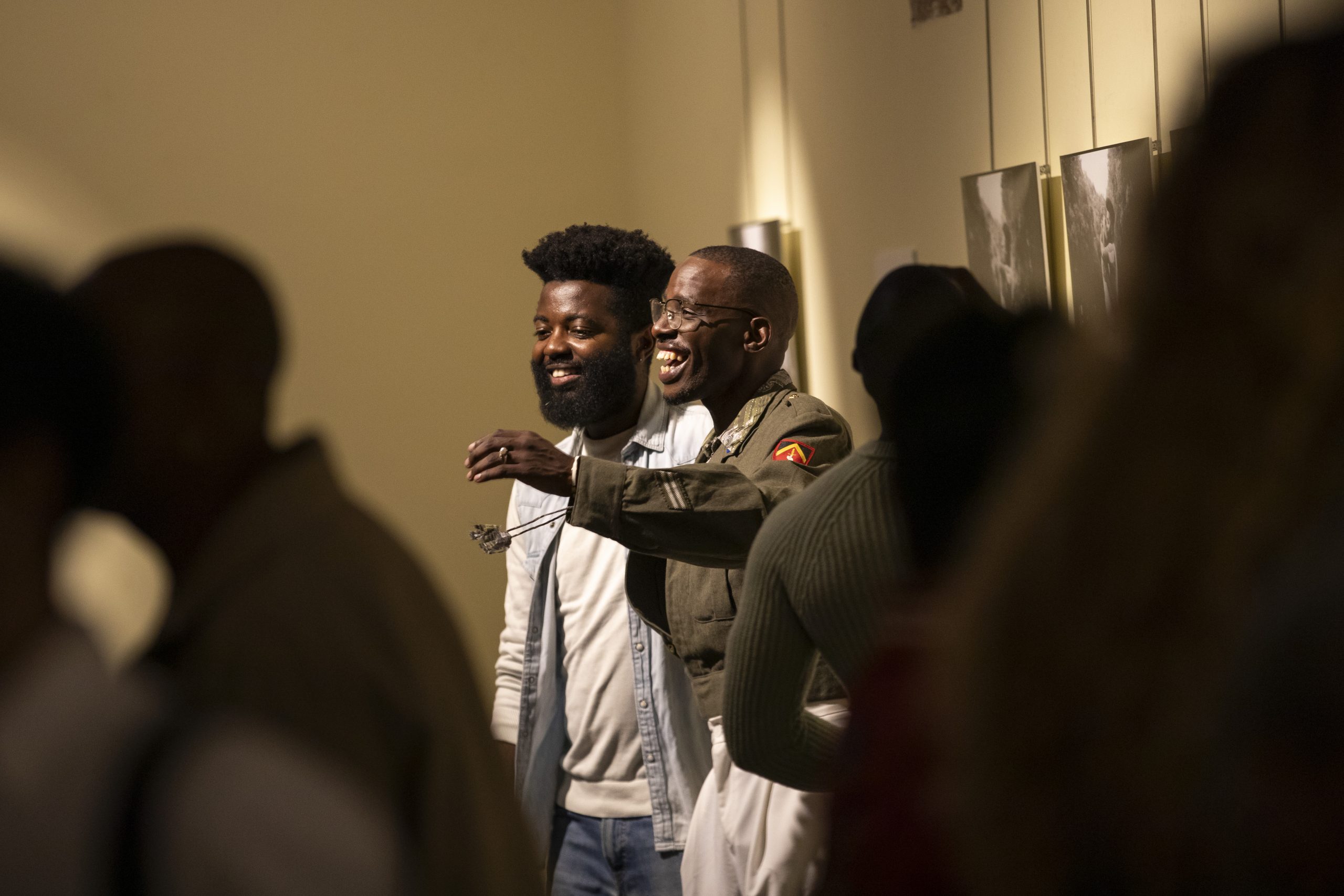
Artistic Direction: DIDI, ROD, and Tony Omolu
Research: DIDI, ROD, Tony Omolu, and Leonardo Vieira
Curation: DIDI, ROD, and Tony Omolu
Curatorial Support: Joana Alves and Marina Ginde
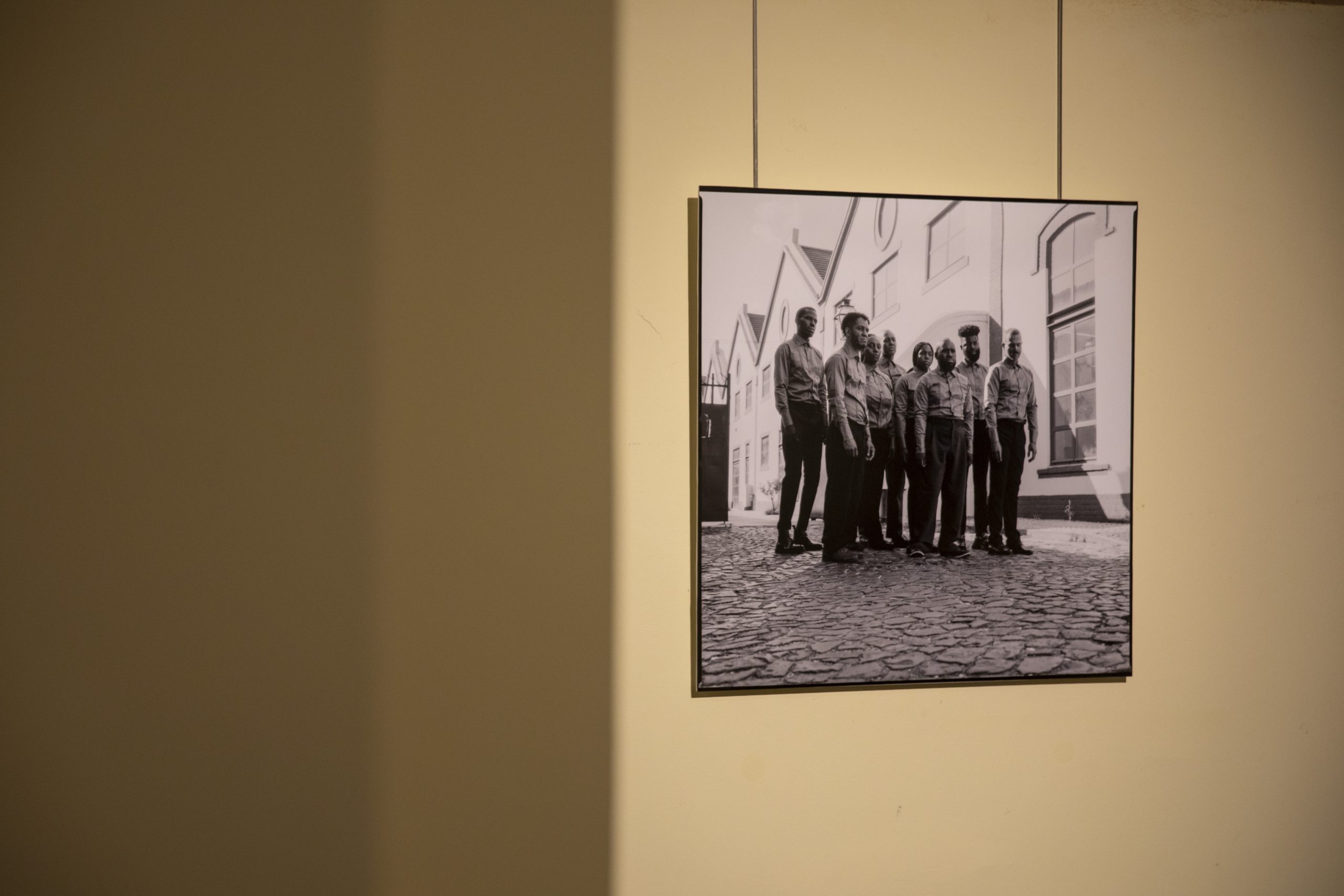
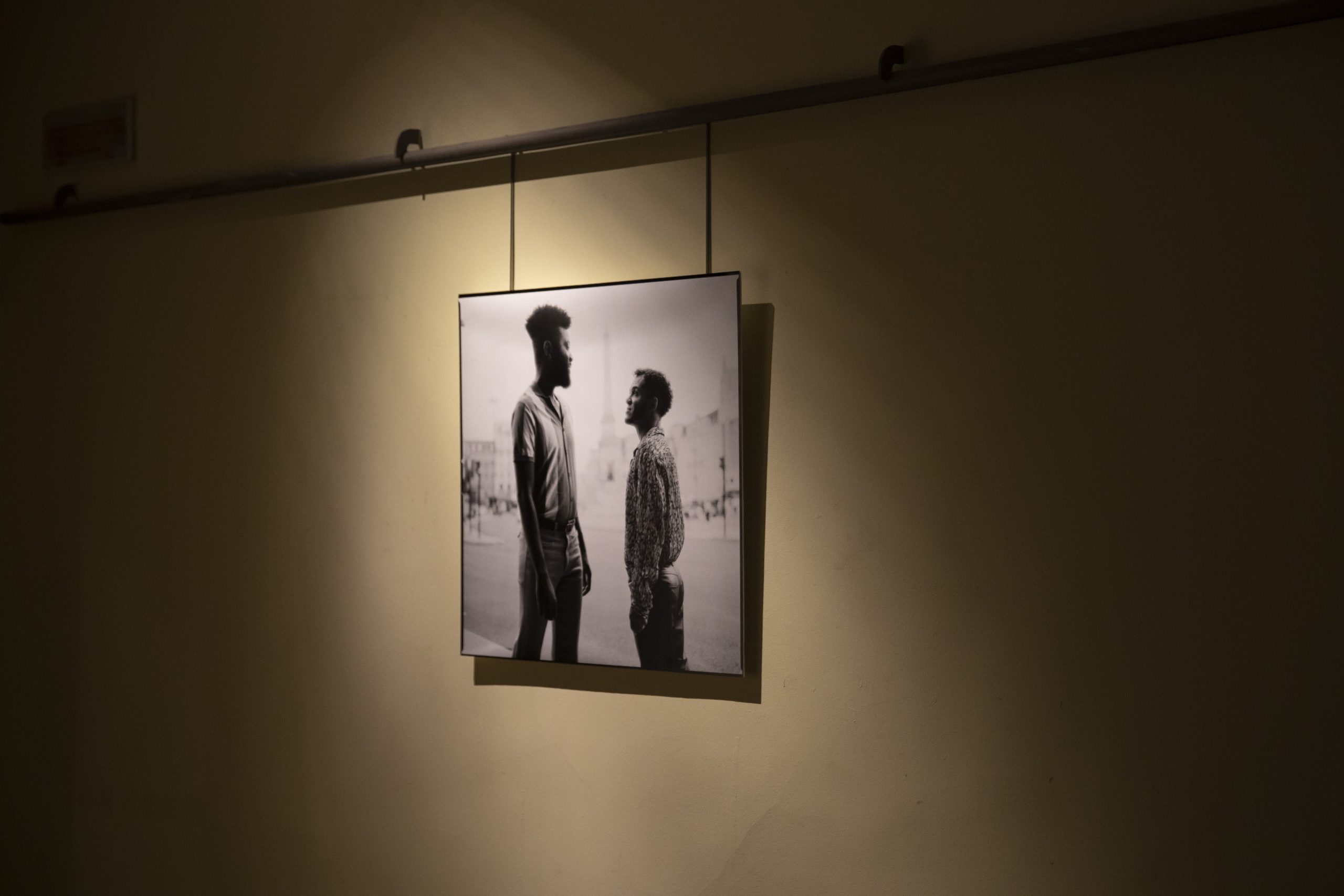
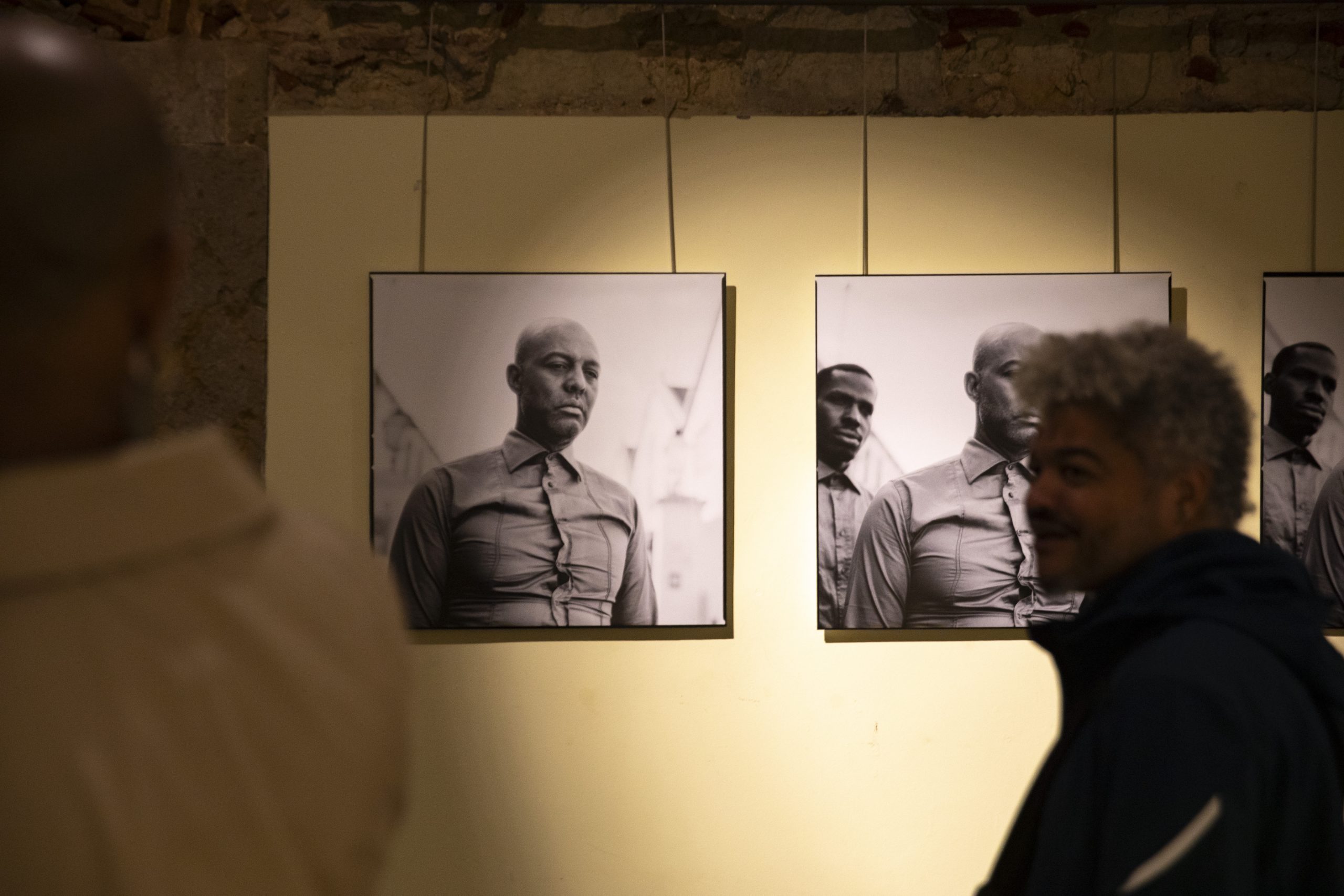
Photography: Daryan Dornelles
Makeup (shoot): Ariana Almeida
Styling (shoot): Yasmin Falcão
Models: Camis, DIDI, Gê Escobar, Nyrhio Ribestião, Noé João, ROD, tony omolu, Xu Lopes
Production: Joana Alves and Marina Ginde
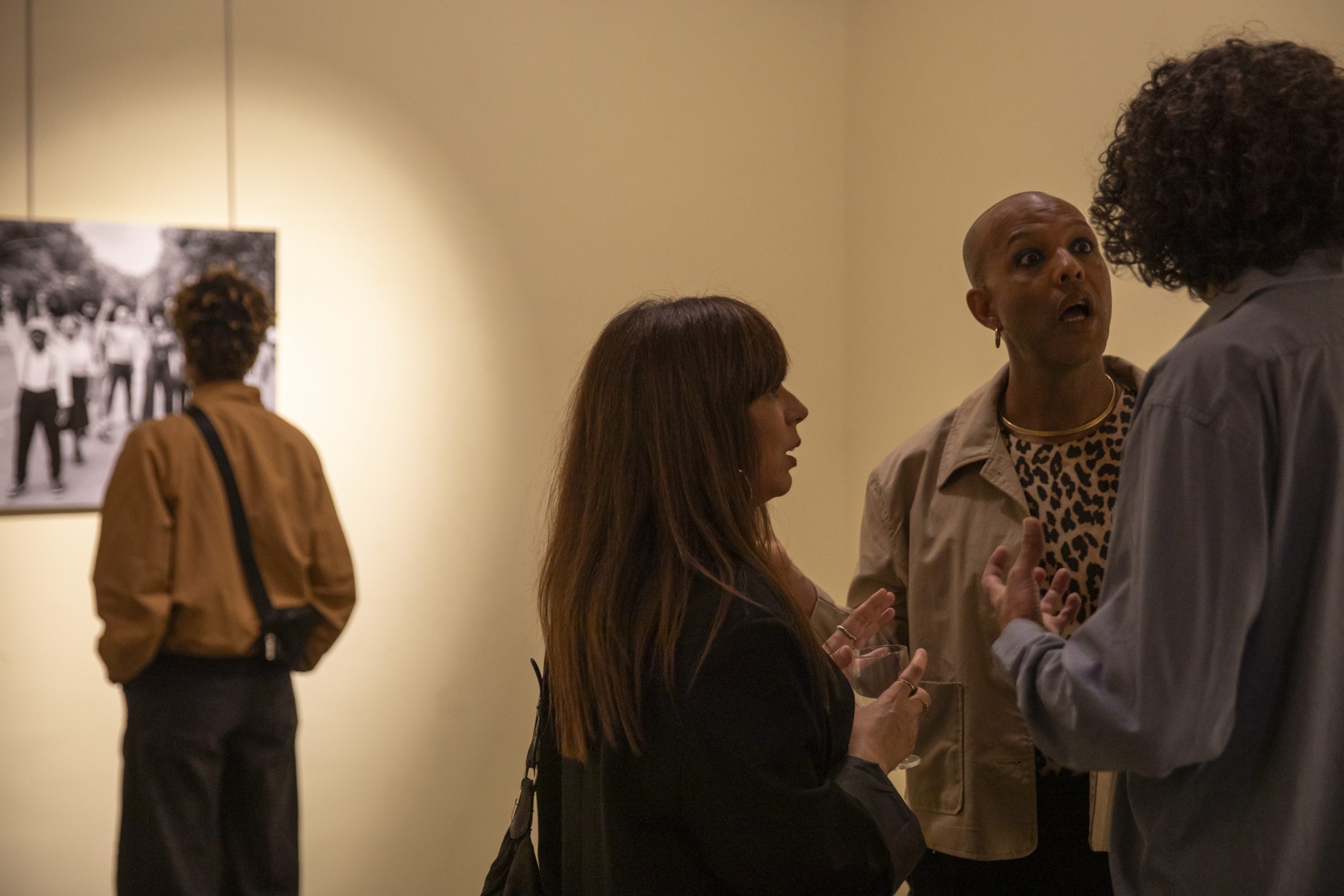
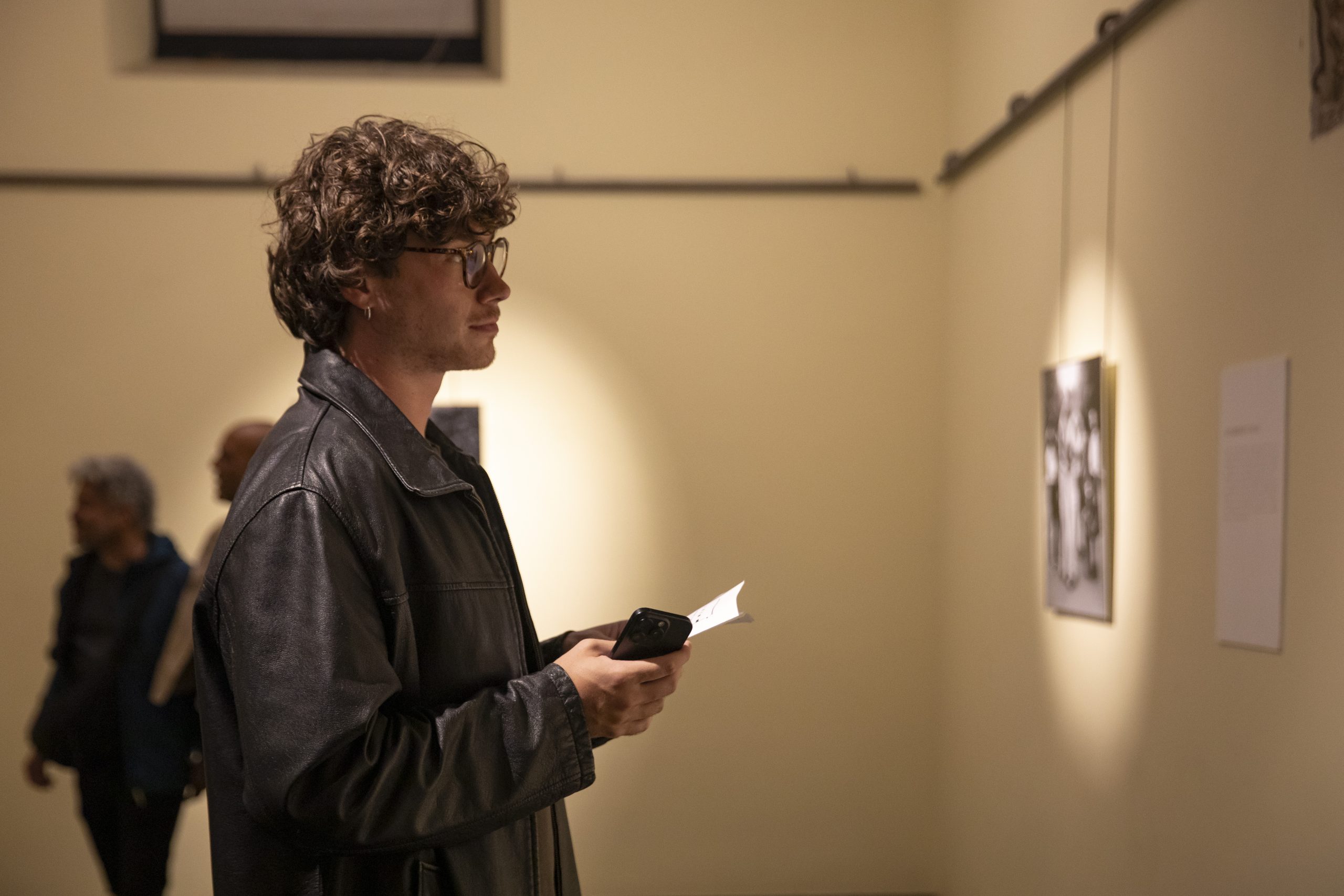
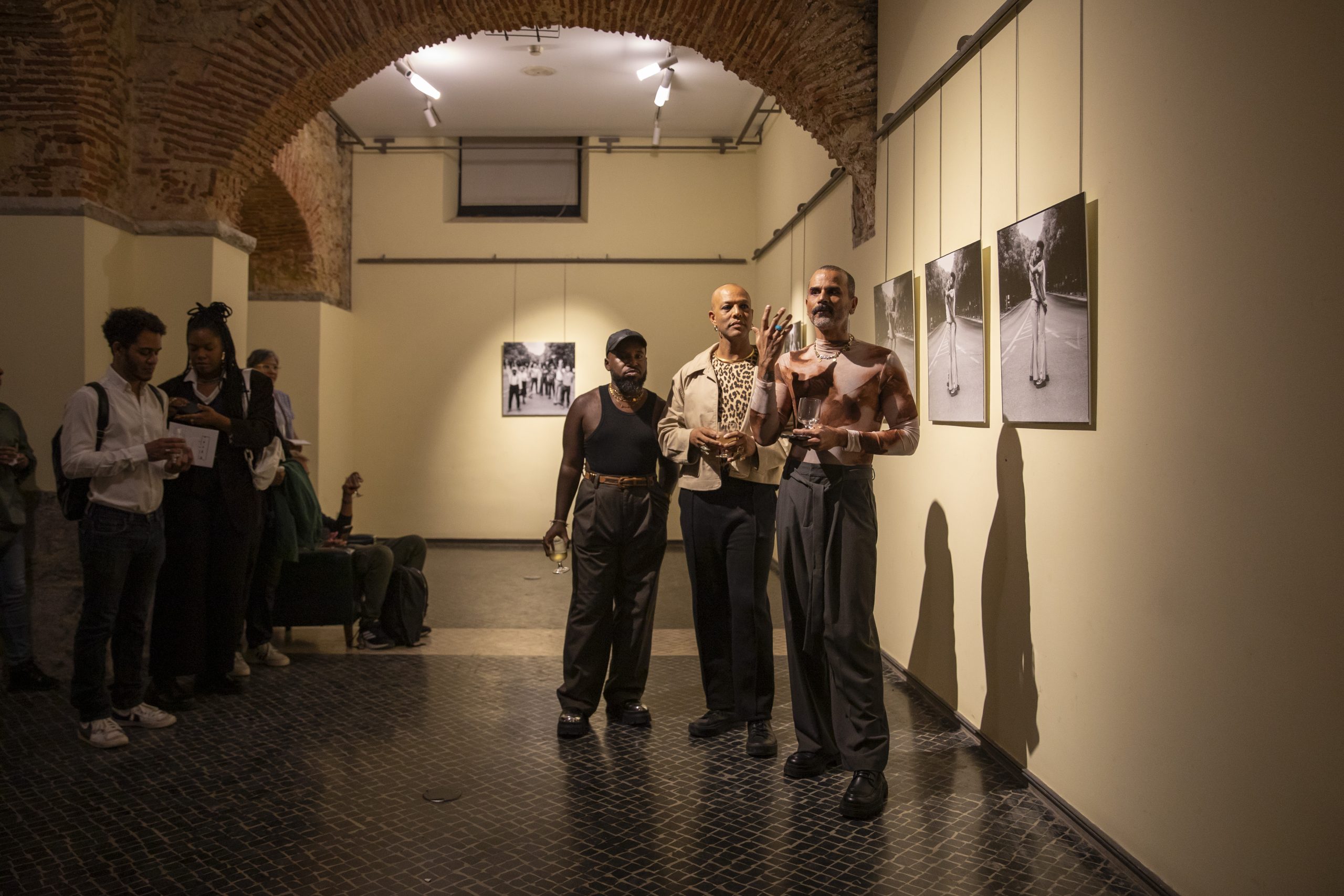
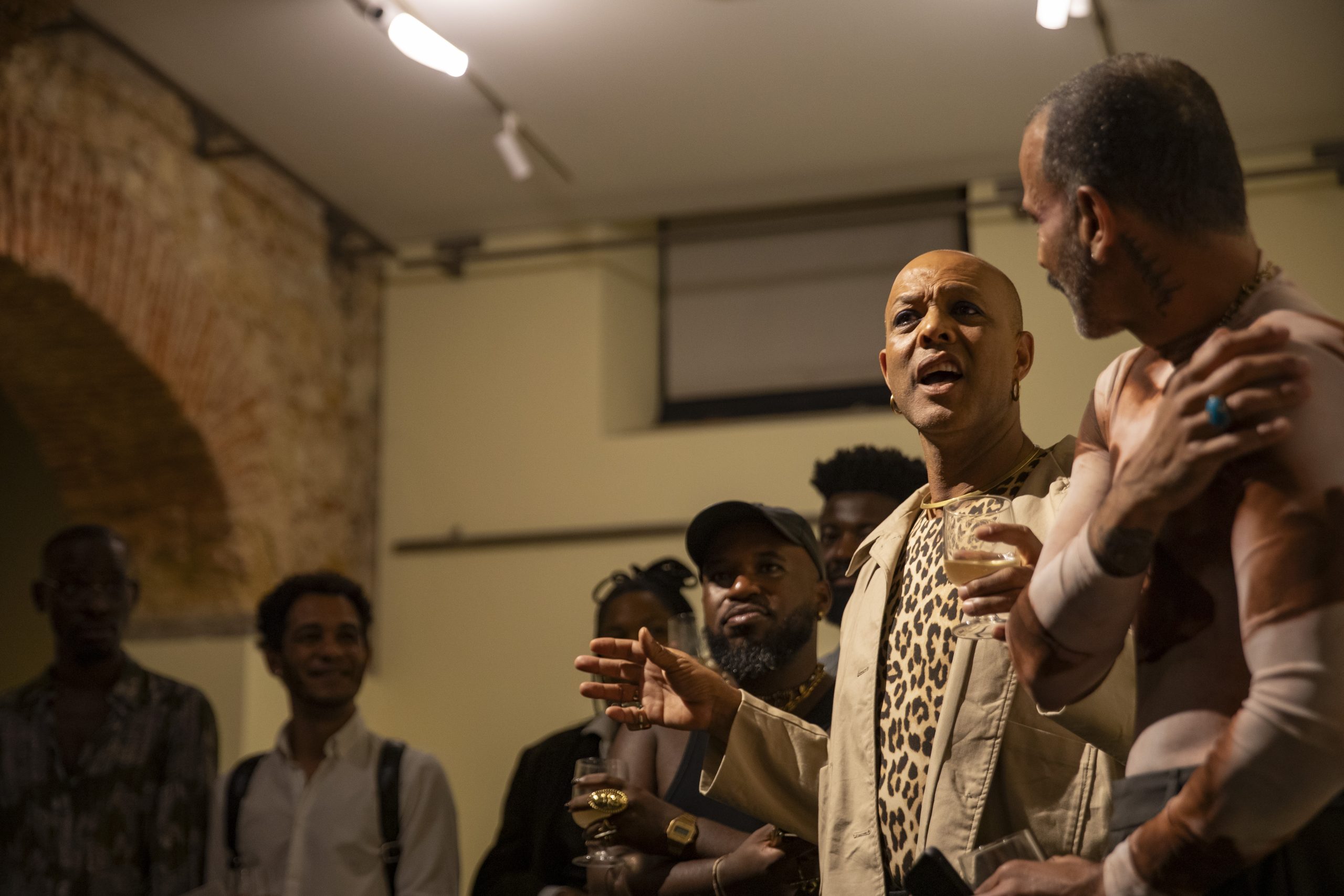
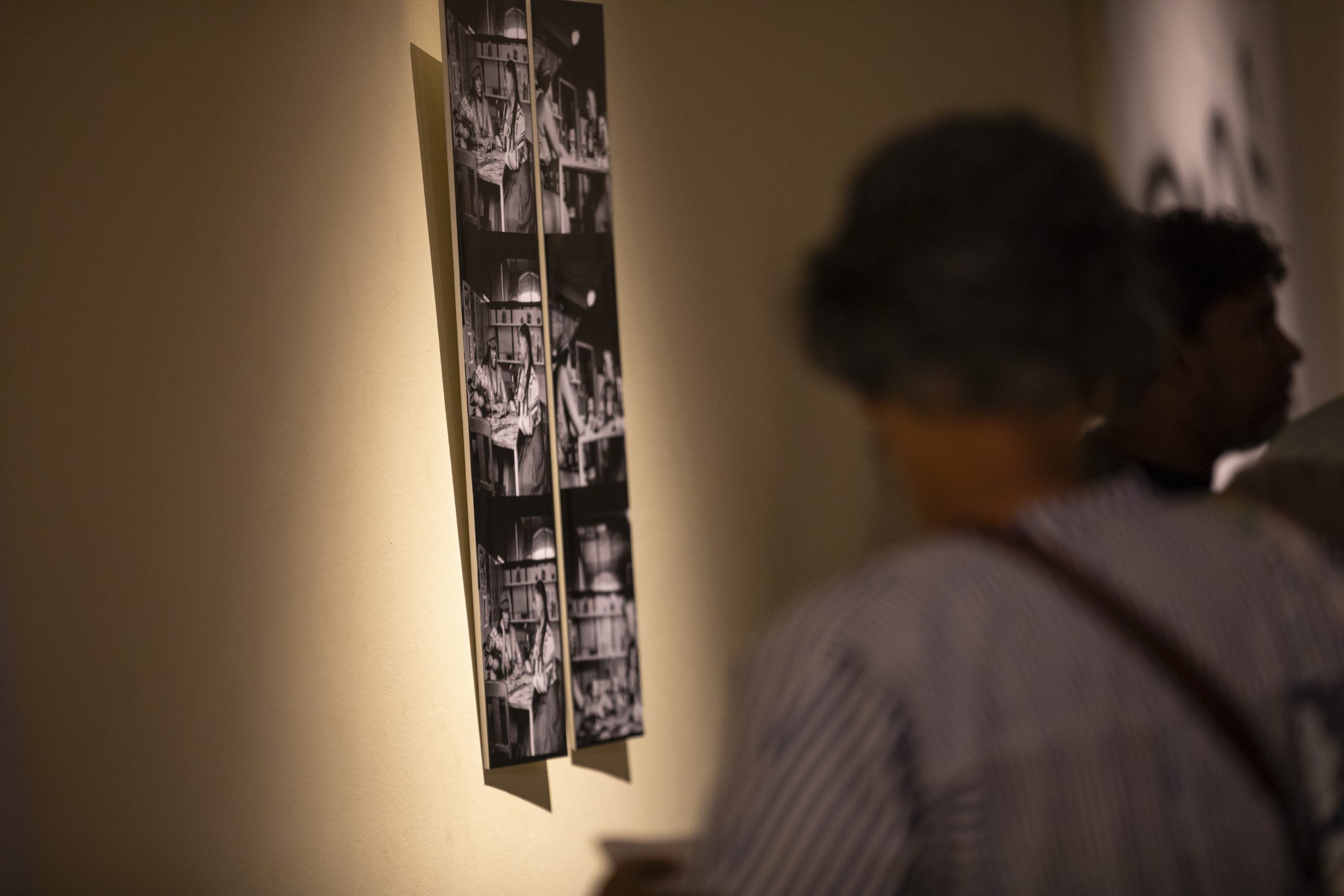
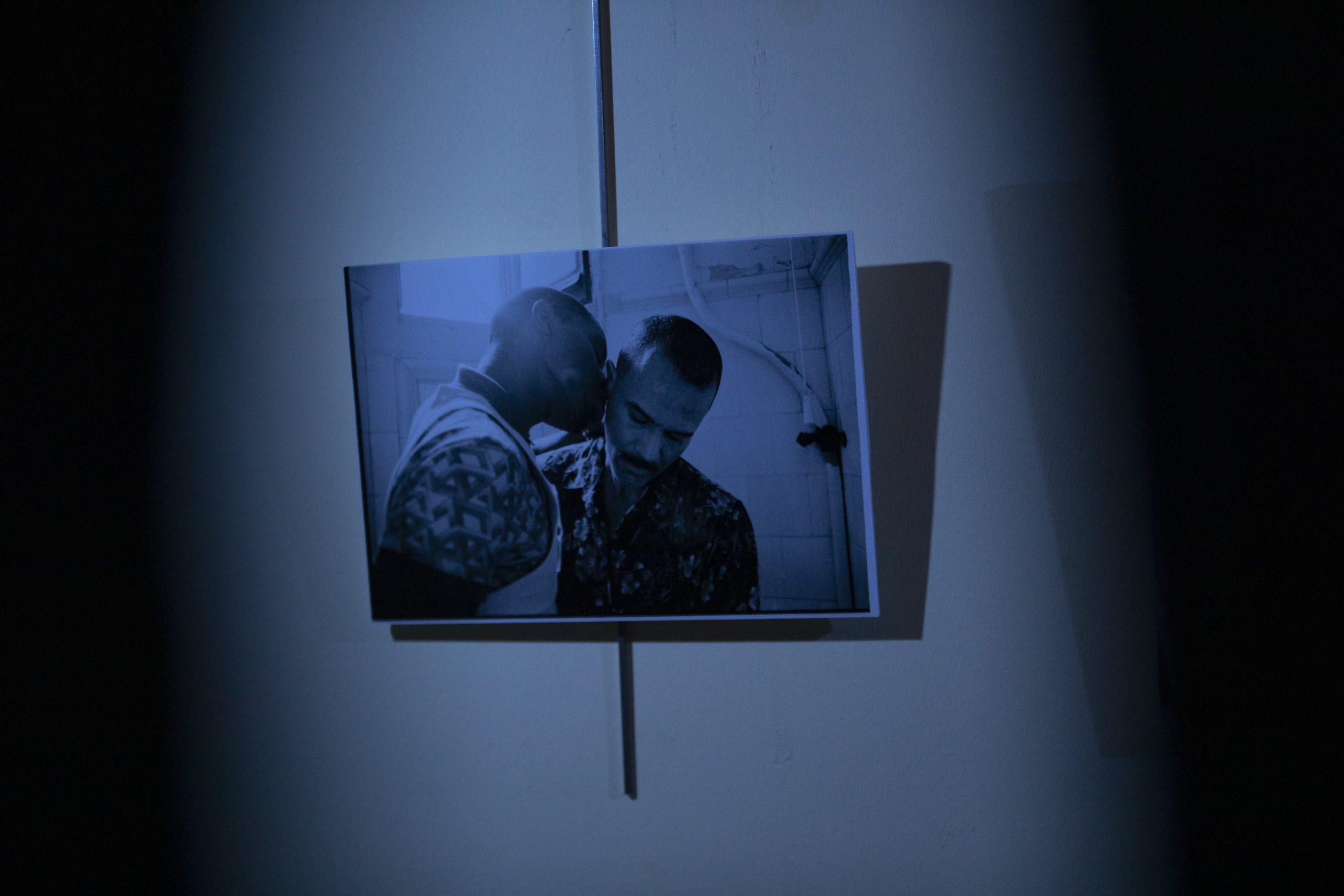
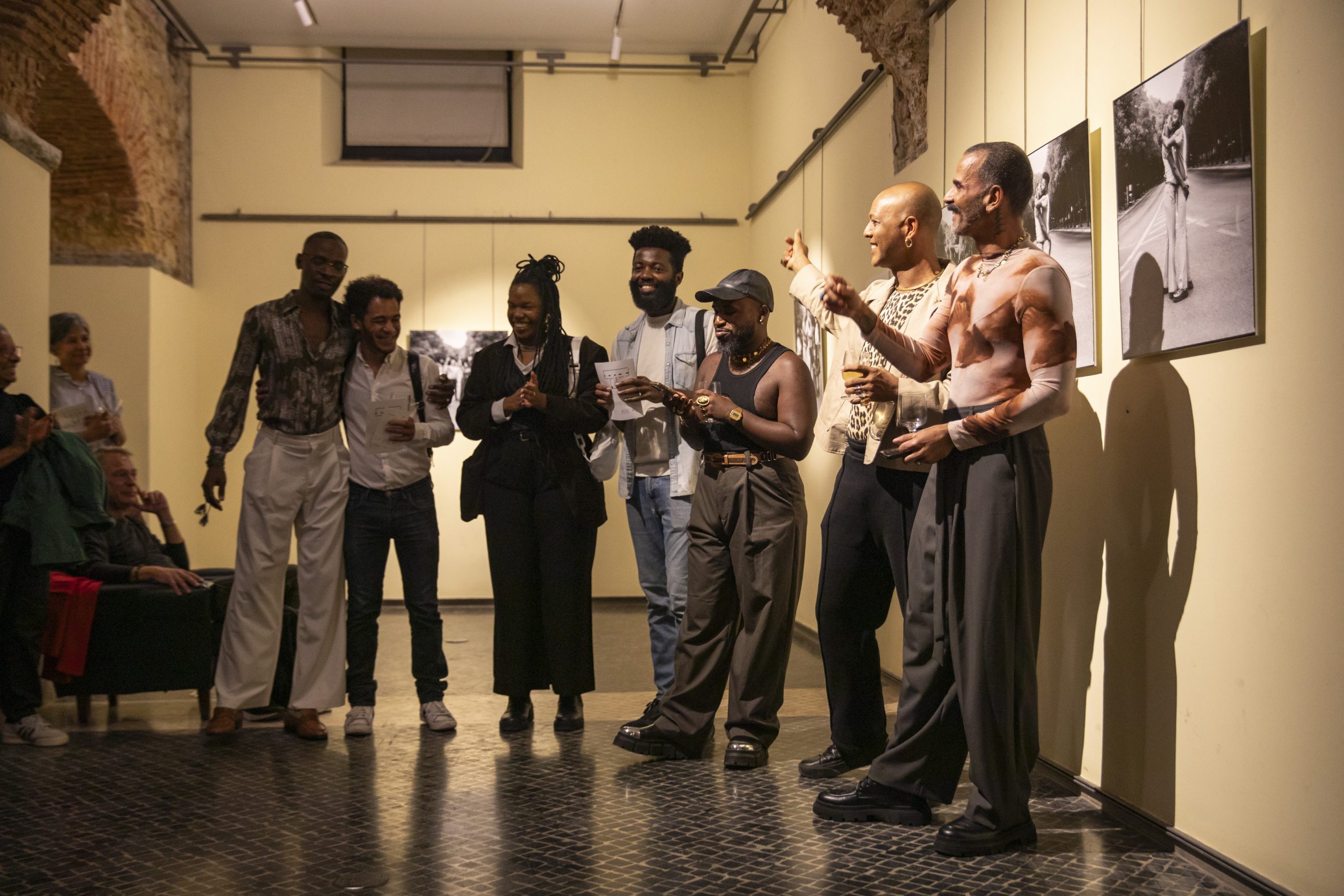
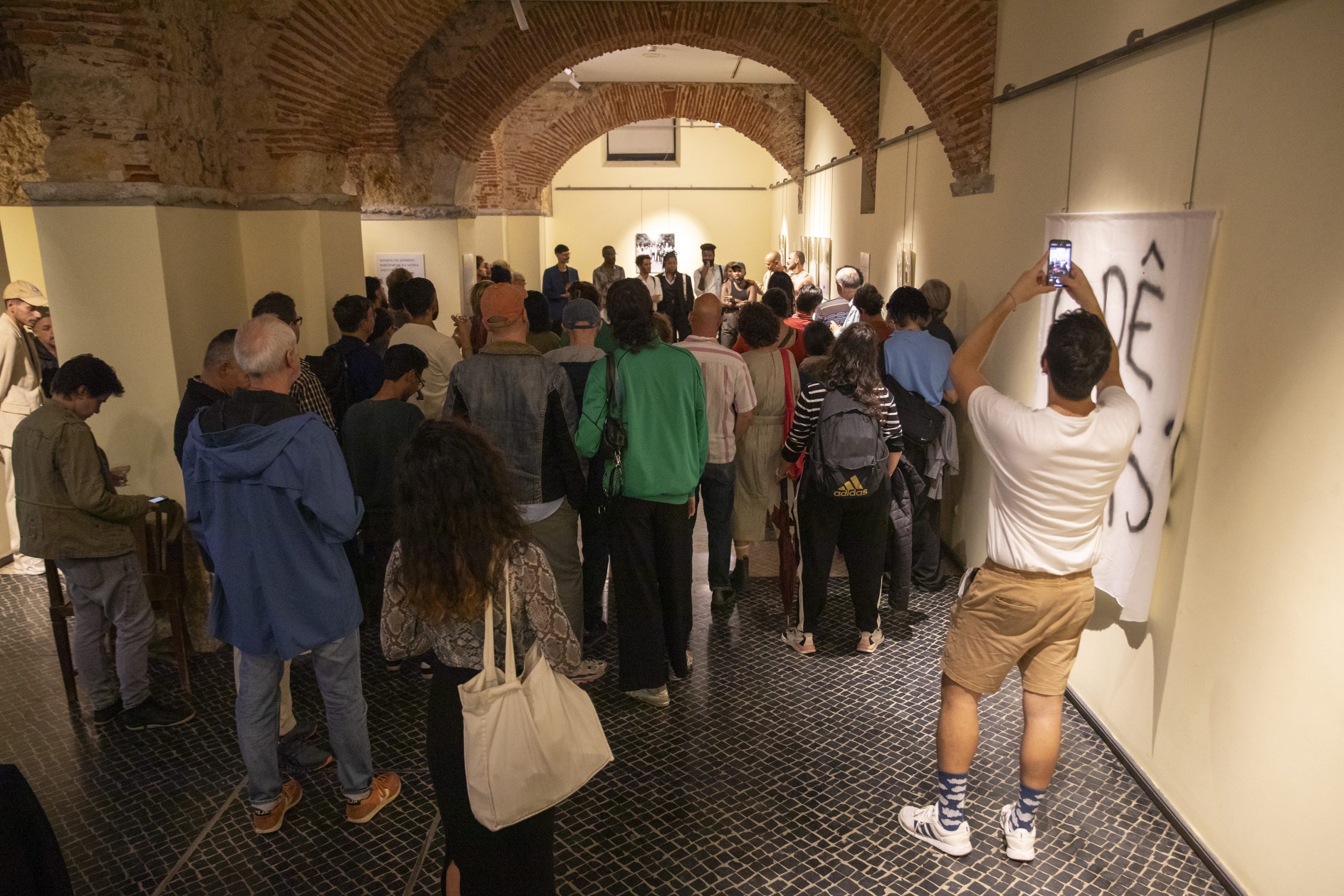
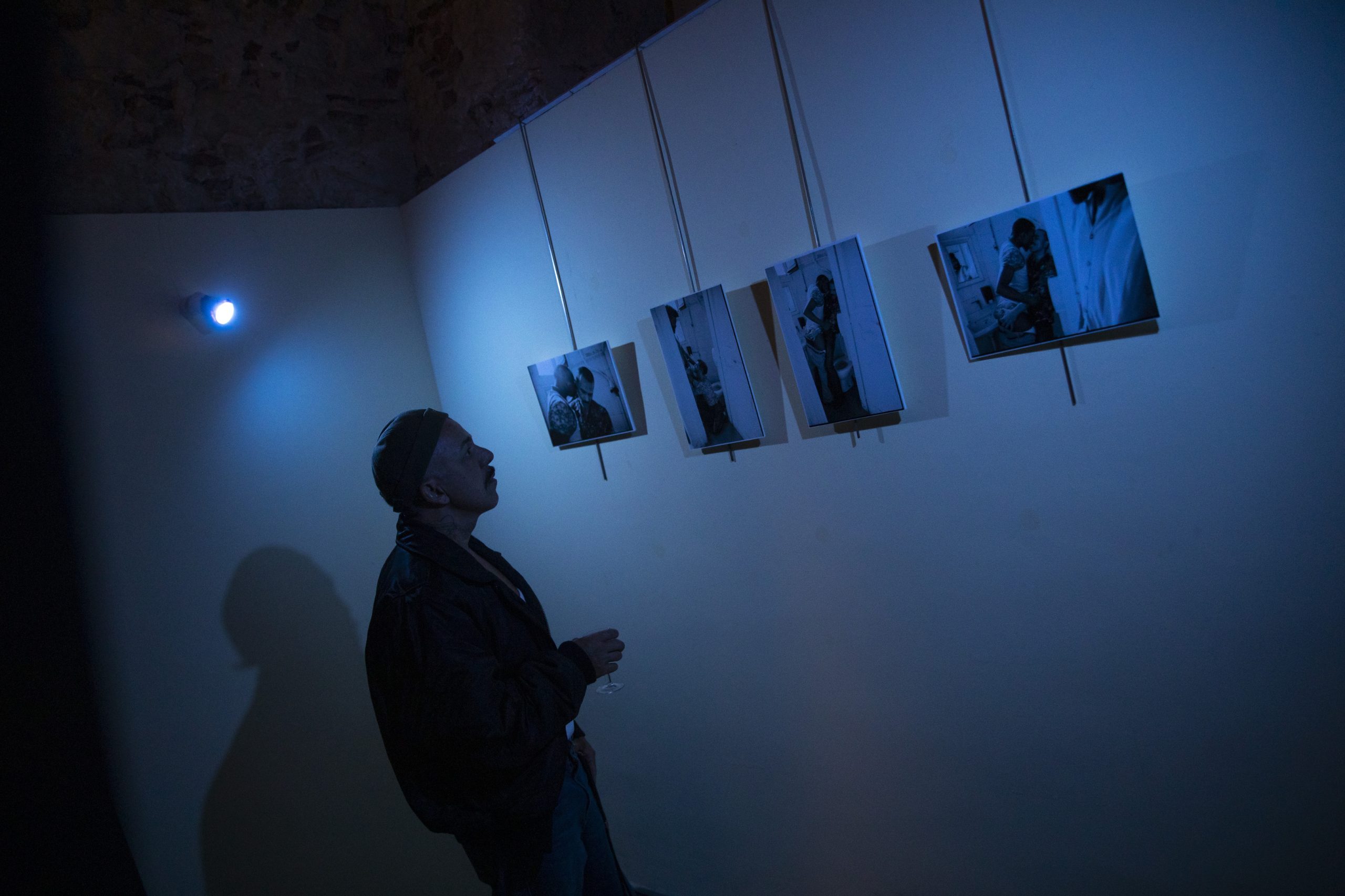
“Where Are They? Black LGBTQIA+ People and the Portuguese Dictatorship” is one of the projects supported by the 2024–25 edition of the “Art for Democracy” program, an initiative of the 50th Anniversary of April 25 Commemorative Commission in partnership with the Directory of General for the Arts. Production: Coletivo Afrontosas. Funding: ENAR, DgArtes – Portuguese Republic / Culture. Communication Partners: Buala, Bantumen, Afrolink. Support: Aljube Museum, Goethe-Institut Lisbon, Belém Library, Misericórdia Parish Council, Zeca Afonso Association, Buala, Bantumen, Gerador, and Damas.
